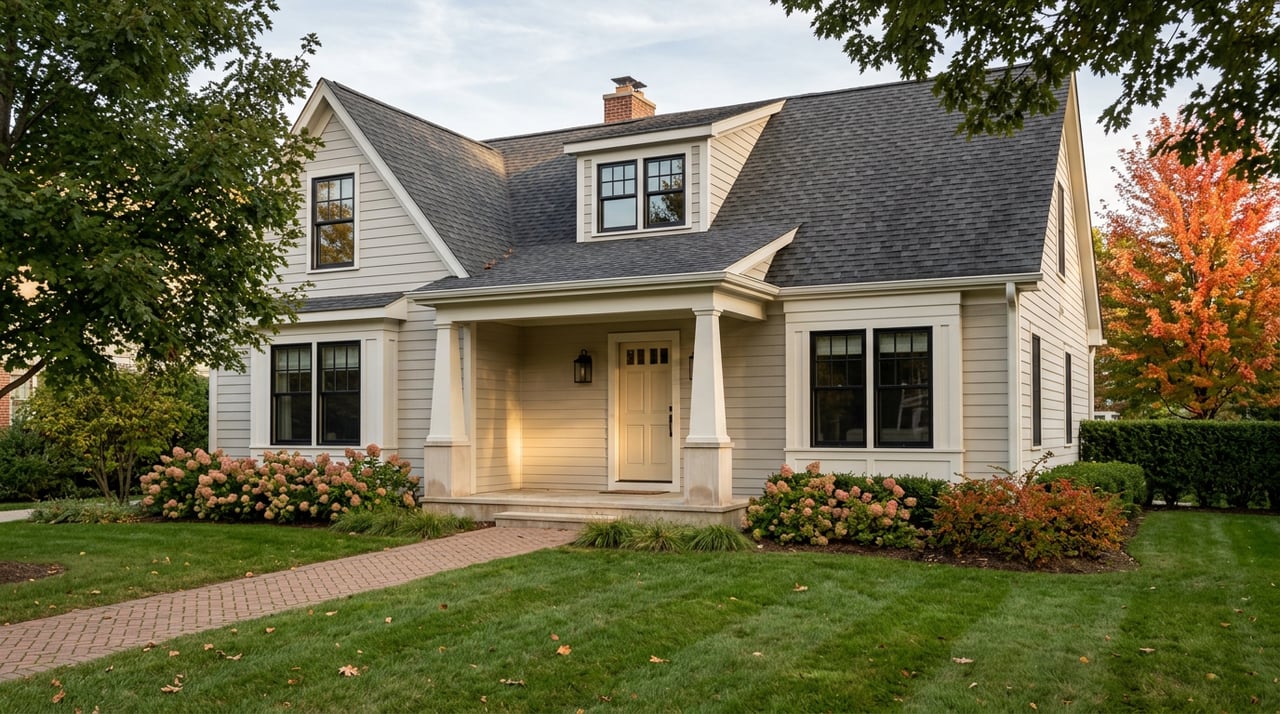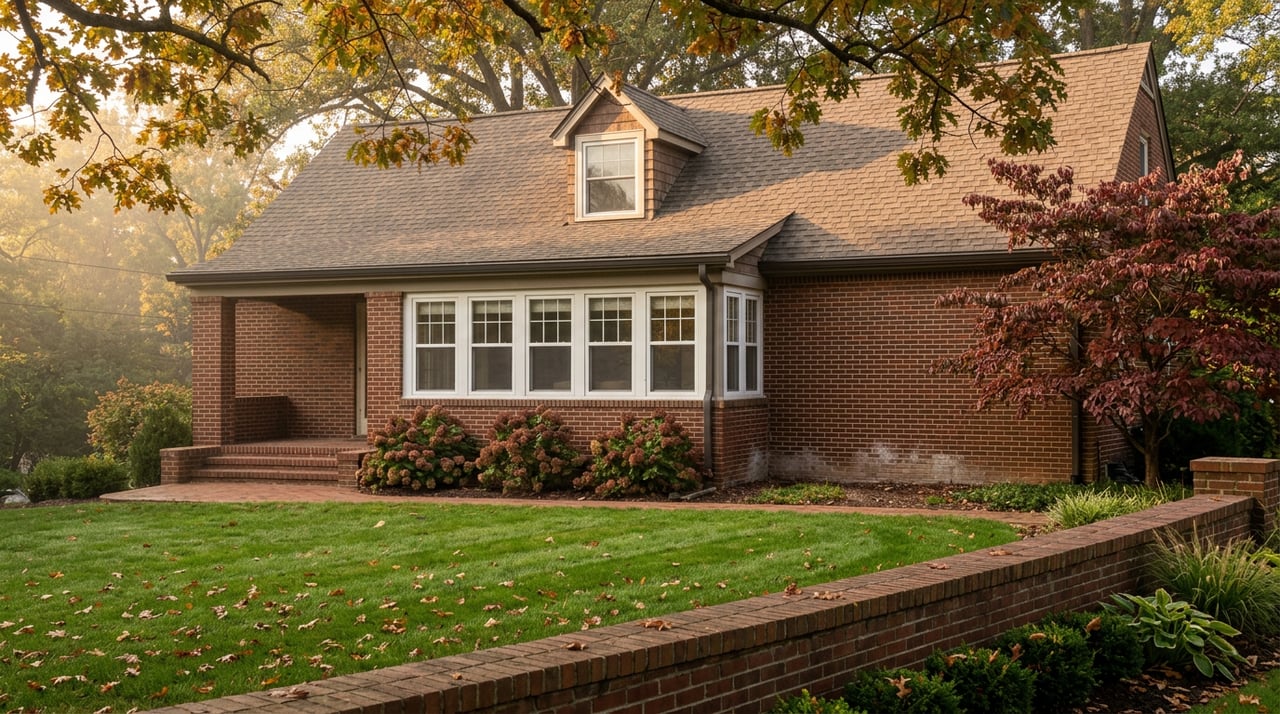
What draws you to Mission Hills might start with the streetscape: graceful curves, leafy parklets, and homes that feel timeless from the moment you turn the corner. If you’re exploring this community, you probably care about architecture, craftsmanship, and a setting that stands the test of time. In this guide, you’ll learn how Mission Hills was planned, the architectural styles you’ll see most often, what buyers appreciate about each, and the practical rules that shape updates and new builds. Let’s dive in.
Why Mission Hills has so many styles
Mission Hills did not happen by accident. It was planned as part of the broader Country Club District with City-Beautiful and Garden City ideals that favored curving streets, formal parklets, and public art. The city’s comprehensive plan describes how early planning by J.C. Nichols and landscape designers Hare & Hare set the tone for large, park-like lots and architect-designed custom homes across several revival styles. You can see this framework in today’s streets, sculpture program, and greenbelts as outlined in the city’s comprehensive plan for Mission Hills.
- Learn more about the community’s design roots in the Mission Hills Comprehensive Plan, including the Verona Columns and Sunken Garden described as neighborhood focal points. Read the comprehensive plan overview.
Signature styles you’ll see
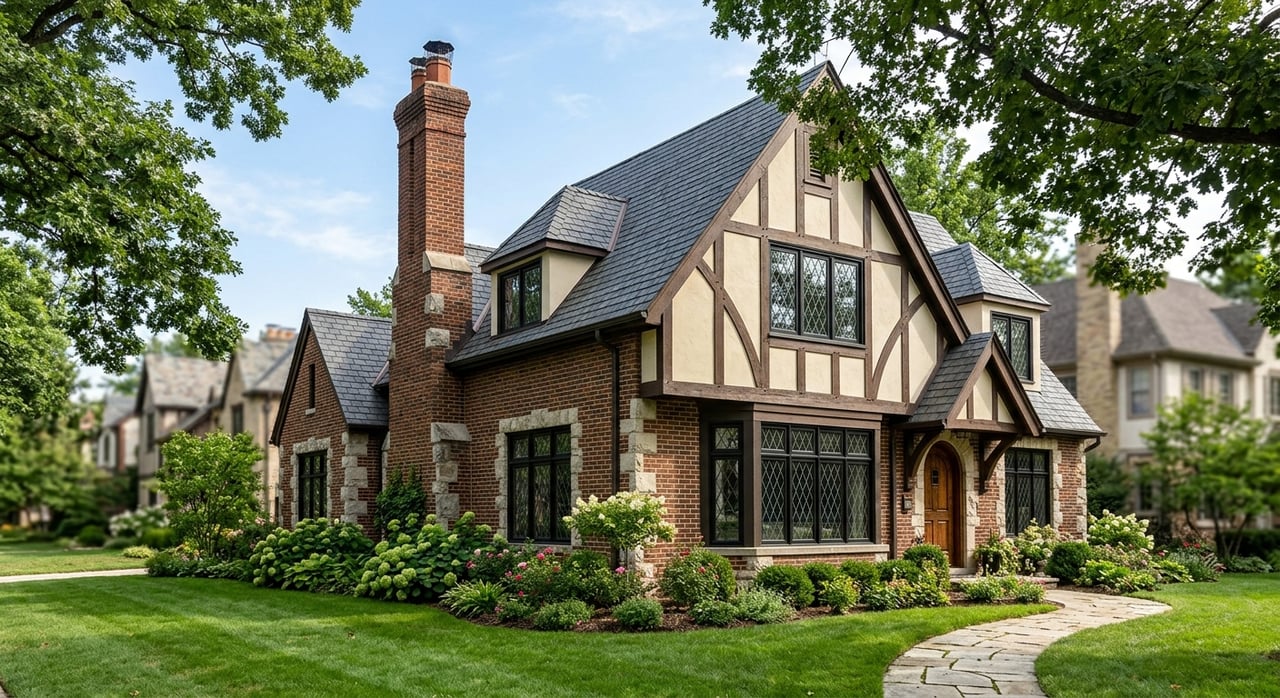
Tudor Revival
Tudor Revival is one of Mission Hills’ most recognizable looks.
- Hallmarks: steep, intersecting gables; decorative half-timbering; brick or stone facades; tall chimneys; leaded or casement windows; often slate or composite roofs.
- Local examples: The Horn–Vincent–Russell Estate on Wenonga Road and the Wolcott House on Oakwood Road are documented National Register properties that showcase high-style Tudor detailing and estate-scale landscaping. See the Horn–Vincent–Russell Estate documentation and view the Wolcott House record.
Buyer appeal: dramatic curb presence, historic craftsmanship, and privacy on larger lots. Interiors often feature timber beams, built-ins, and multiple fireplaces.
Keep in mind: specialty materials like slate and leaded glass can raise maintenance and renovation costs. Older windows and mechanicals may need upgrades to improve efficiency.
Colonial and Georgian Revival
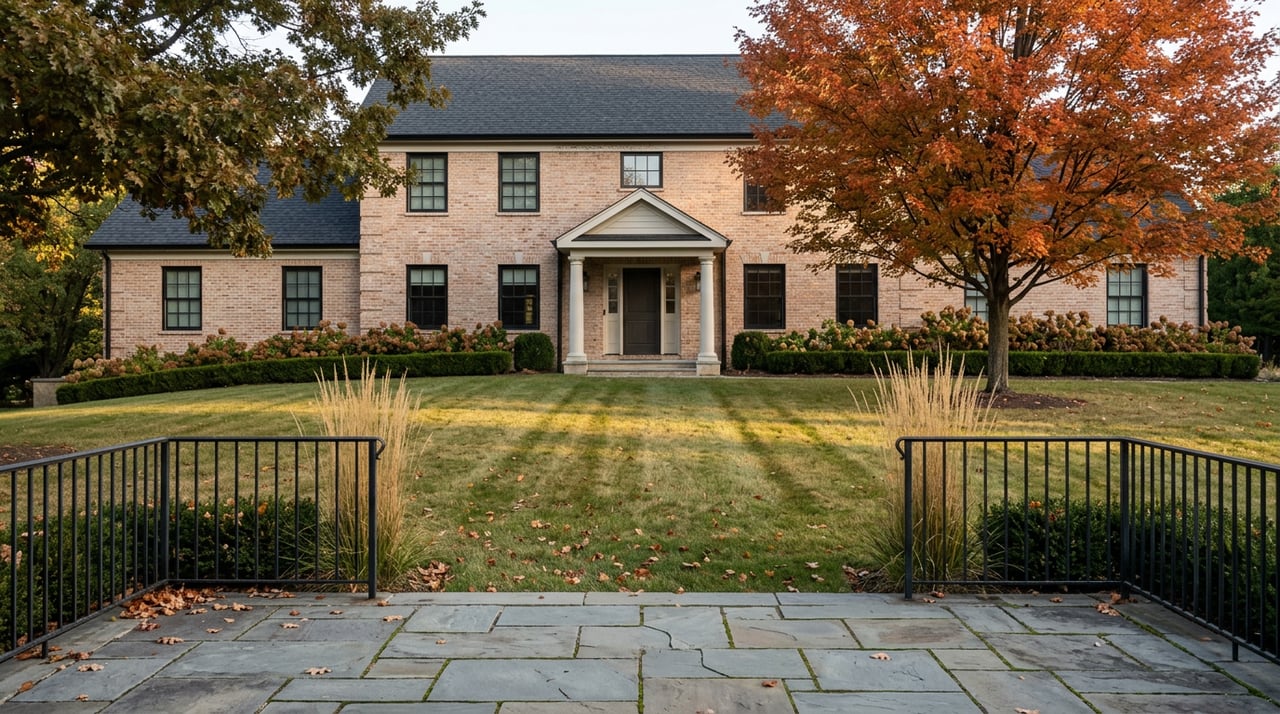
Colonial and Georgian Revival homes offer symmetry and classical detail.
- Hallmarks: balanced facades, brick or clapboard exteriors, multi-pane sash windows, centered formal entries, and classical trim like columns or pilasters.
- Local context: As part of the Country Club District palette, Nichols promoted these revival styles, which remain a staple across Mission Hills blocks. For background on the district’s style mix, see the Country Club District overview. For a style primer, Architectural Digest explains key Colonial Revival features in plain language. Explore a Colonial Revival primer.
Buyer appeal: timeless curb appeal and formal layouts that work well for entertaining.
Keep in mind: value hinges on how well historic character pairs with modern systems and kitchens.
French Eclectic
French Eclectic and French Country expressions add romance and texture.
- Hallmarks: steep hipped or flared roofs, stone or brick facades, and tall, narrow windows. Arched openings and rustic massing appear on many examples.
- Local context: The Wolcott House includes French Eclectic motifs alongside Tudor details, showing how designers blended old-world influences on estate lots. Review the Wolcott House record.
Buyer appeal: “old-world” charm and rich materials that can adapt well to updated interiors.
Keep in mind: preserving custom stonework and period finishes can increase restoration budgets.
Prairie and Craftsman influences
Prairie School and Arts & Crafts influences appear in early 20th-century homes in and around Mission Hills.
- Hallmarks: strong horizontal lines, low-pitched roofs with broad eaves, handcrafted millwork, and a close relationship between the house and landscape.
Buyer appeal: open-feeling living areas, built-in cabinetry, and a warm, human scale.
Keep in mind: original woodwork and windows reward careful restoration and may need specialized contractors.
Spanish and Mediterranean Revival
Spanish and Mediterranean cues surface in select homes across the district.
- Hallmarks: stucco walls, red tile roofs, arched openings, and courtyards.
- Local context: Nichols-era developments incorporated these motifs alongside other revival styles, so you will find a handful within Mission Hills. Get historical context on the district’s style mix in the Country Club District overview.
Buyer appeal: sun-washed, resort-like exteriors, often with inviting outdoor spaces.
Keep in mind: tile roofs and stucco repairs can be specialized trades.
Mid-century and contemporary estates
Post-war infill and later custom builds introduced mid-century ranches and, more recently, contemporary estates.
- Hallmarks (mid-century): one-story or split-level forms, open plans, and larger panes of glass.
- Hallmarks (contemporary): open floor plans, expansive glass, energy-efficient systems, and bold, engineered volumes.
Buyer appeal: modern amenities, flexible living spaces, and strong indoor-outdoor flow.
Keep in mind: new construction and large exterior changes go through the city’s Architectural Review Board (ARB) process. Contemporary designs that respect massing, setbacks, and streetscape character tend to fare better in review.
Prices and resale signals
Mission Hills sits at the top of the Johnson County market. In early 2026, Redfin reported a city median sale price around 1.26 million dollars with well-priced properties spending a short time on market, signaling strong demand. Review current figures on the Mission Hills market page.
To frame the local economics, DataUSA lists a median property value near 1.18 million dollars and a median household income around 250,000 dollars, among the highest in the county. See the Mission Hills community profile.
Here is how style often influences value in Mission Hills:
- Large, intact Tudors and Colonial/Georgian Revivals on significant lots often occupy the top tier, reflecting scarce supply, high-caliber materials, and architectural pedigree. National Register properties like the Horn–Vincent–Russell Estate illustrate the quality that drives top-end pricing. View the Horn–Vincent–Russell Estate.
- Across styles, homes that balance period character with updated kitchens, baths, and systems tend to reach a wider buyer pool and sell faster. The Washington Post notes that historic homes may need specialized contractors and thoughtful planning, which can influence timing and pricing. Read the Washington Post perspective.
- New builds and modern estates can command premium prices for design, efficiency, and amenities. Value depends on how well a project fits the lot and neighborhood character, which the ARB reviews closely.
If you want precise, style-by-style numbers, request a custom MLS analysis filtered by architectural style and recent sales. That is the most accurate way to compare prices in real time.
Renovating or building: ARB basics
Mission Hills requires formal review for most exterior work. If you plan a major renovation or a new home, expect an Architectural Review Board process that includes design submittals, neighbor notifications, and a Professional Review Panel meeting for new construction. The city’s New House brochure outlines performance bond requirements, story pole rules, and stormwater and land-disturbance studies you may need. It also encourages stylistic coherence, summarized as “one style per house.” Review the process in the city’s New House brochure.
What this means for your timeline and budget:
- Build in time for ARB milestones and professional design fees.
- Anticipate documentation like elevations, site and drainage studies, and story poles for new homes.
- Plan for high-quality materials and context-sensitive massing to streamline approvals.
How to choose your fit
Start with how you live and what you value most day to day.
- Lifestyle fit: Do you prefer formal rooms and classic symmetry, or open plans with modern flow?
- Lot and greenspace: Mission Hills treats streetscape and landscaping as design assets. Walk the block to see how each house sits on its lot.
- Floor plan function: Look for clear sight lines, practical storage, and a kitchen that fits your routine.
- Restoration budget: Older homes can reward careful updates. Set aside contingency funds for specialty trades and materials.
- Efficiency and systems: Check age and condition of windows, roofs, HVAC, and plumbing. Plan upgrades where needed.
- ARB readiness: If you expect exterior changes, review the city guidelines early and align with a design team experienced in Mission Hills.
- Resale lens: Well-located homes that blend period character with modern function appeal to a broad buyer base.
When you are ready to explore, bring in a team that understands both architecture and the approval landscape. A boutique approach with strong marketing reach can position your home or offer with confidence, while access to a national network helps attract qualified interest.
If you are considering a move, we would love to help. Connect with Bash KC for a neighborhood-savvy plan, style-specific comps, and a tailored experience from first look to closing.
FAQs
Which Mission Hills architectural style has the best resale?
- There is no single winner. Homes that balance location, period character, and modern updates tend to sell fastest. Large, intact Tudors and Colonial/Georgian Revivals often reach the top of the market, but always verify with current comps on the Mission Hills market page.
Can I replace a Mission Hills home with a modern design?
- Yes, but you must go through the city’s ARB process, including a Professional Review Panel for new homes, required studies, and neighbor notice. The Design Guidelines emphasize context, lot fit, and “one style per house.” See the steps in the New House brochure.
Are historic homes in Mission Hills risky to buy?
- They offer unique character but may require specialized contractors, higher maintenance, and more time for renovations. Work with an inspector experienced in older homes and budget contingencies. For consumer guidance, review this historic home buying overview.