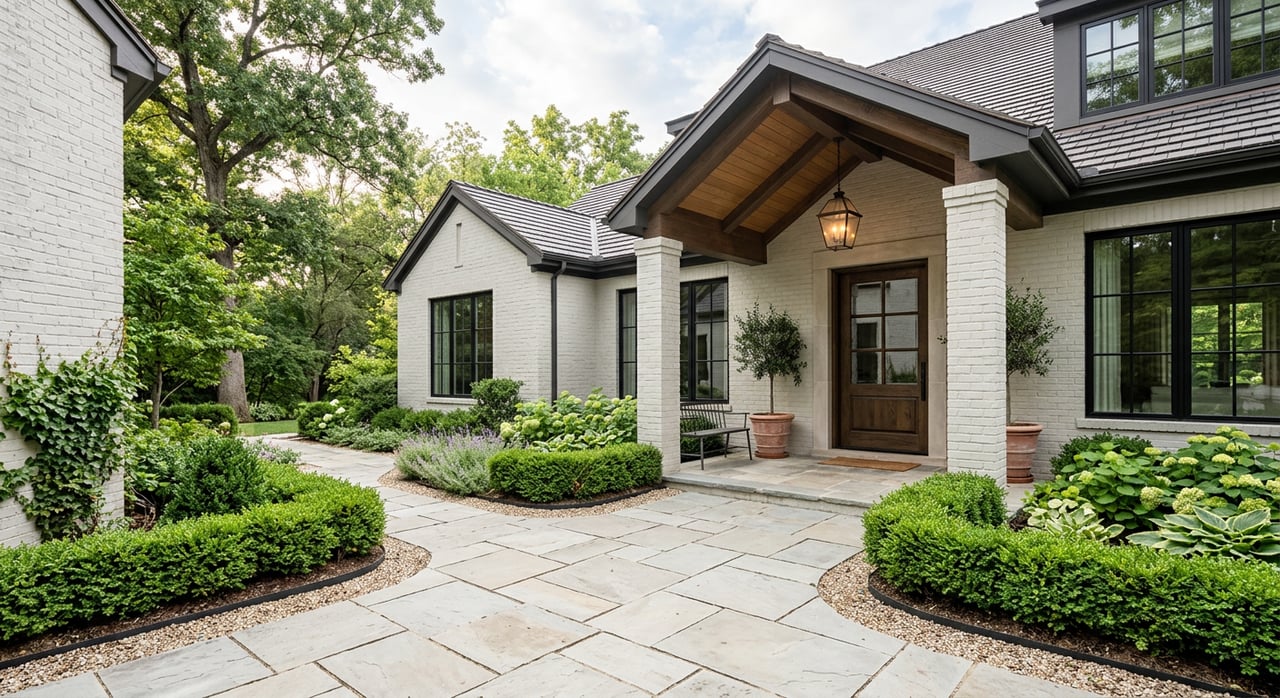
Thinking about a smaller, easier home but not ready to leave your Leawood routine? You are not alone. Many longtime Leawood owners want less upkeep, yet still want easy access to clubs, parks, places of worship, and familiar faces. In this guide, you will see the most common local downsizing paths, how to time the sale and purchase, and the simple steps that protect your lifestyle and equity. Let’s dive in.
Why downsizing in Leawood works
Leawood’s housing mix supports lower‑maintenance living without giving up neighborhood ties. Local portal snapshots place the median sale price around the mid to high six figures, which helps many sellers unlock equity for a simpler home. County studies also point to steady demand and modest appreciation in many Johnson County ZIPs, reinforcing thoughtful timing for your move. You can review county context in the latest Johnson County market study.
The city’s age profile includes a significant share of residents 65 and older, which means you will find more options designed for single‑level living, bundled maintenance, and easy access to care. Census data confirms a population around 34,000 with a meaningful older cohort, so you will be in good company if you prefer a villa or townhome.
Your Leawood downsizing options
Maintenance‑provided villas and patio homes
Villas and patio homes are detached or semi‑detached, often single‑level, and typically include HOA services like lawn care, snow removal, and exterior maintenance. Local developers market small, well‑kept villa communities throughout Johnson County. To see a developer’s typical HOA inclusions, browse examples like the Villas of Avalon developer page.
Pros:
- Single‑level living with fewer stairs and simpler daily upkeep.
- Exterior maintenance, lawn, and snow often covered by the HOA.
- Community amenities such as a clubhouse or pool in select neighborhoods.
Cons:
- Monthly HOA fees reduce cash flow.
- Smaller yards and storage compared with larger single‑family homes.
- Community rules require review of HOA budgets, reserves, and policies before purchase.
Townhomes and condominiums
Townhomes in Leawood range from ranch‑style to two‑level floor plans, many built in the 1980s through the 2000s. Most are marketed as maintenance‑provided and can be close to retail, dining, and medical corridors.
Pros:
- Lower yard work and a more compact footprint.
- Access to shared amenities such as pools or clubhouses.
- Often close to everyday services and major roads.
Cons:
- Limited private outdoor space.
- HOA rules and monthly fees, with possible special assessments.
- Due diligence is essential: request HOA financials, reserve studies, and recent meeting minutes.
Newer infill, twin‑villas, and smaller custom homes
Select Leawood areas feature boutique infill and small‑lot projects. These homes deliver modern systems, one‑level or reverse‑story plans, and fresh finishes in locations that keep you close to the places you frequent. To understand the style and setting of current mixed‑use and infill activity, explore East Village in Leawood.
Pros:
- Newer construction with lower near‑term maintenance.
- Floor plans designed for today’s living and entertaining.
- Proximity to shopping, dining, and community facilities.
Cons:
- Smaller lots and evolving neighborhood context as projects build out.
- Construction and city approvals can extend timelines.
- Limited availability means you may need to act decisively when a fit appears.
Independent‑living communities
If you want on‑site services and social programming, independent‑living campuses in and near Leawood offer a different path. These are not the same as villas or townhomes, but they can deliver a low‑maintenance lifestyle with planned events and facilities. Visit providers directly to compare contracts, services, and costs.
Protecting equity and timing your move
Sell first or buy first
Sell‑first:
- You know your exact cash for the next purchase, which lowers financial risk.
- You may face timing pressure and need short‑term housing or storage.
- Build a plan for temporary living and moving logistics. Guides like this overview on coordinating both sides can help you map the steps: AmeriSave’s simultaneous buy‑sell guide.
Buy‑first:
- You lock in the right replacement home in a low‑inventory market.
- Short‑term options include bridge loans and HELOCs; get lender pre‑approval and model carrying costs.
- For a plain‑English overview of strategies, see HomeLight’s guide to buying while selling.
Contract tools that can help
- Home‑sale contingencies: Useful but often less competitive when inventory is tight. Your agent can advise when and how to use one.
- Rent‑back after closing: You sell, then rent from the buyer for 30 to 90 days while you move. Make sure lease terms and insurance are clear.
- Bridge financing and HELOCs: Powerful when used carefully. Work with a local lender to evaluate costs, timing, and exit plans.
Prep the current home for maximum return
Focus on the high‑impact basics that Leawood buyers expect. That includes curb appeal, fresh paint in neutral tones, lighting updates, and resolving deferred maintenance such as roof, HVAC, or windows. In maintenance‑provided communities, highlight interior livability: main‑level primary suites, universal‑access features, and storage solutions. Priced and presented well, homes in active segments often approach a high percentage of list price.
Keep your lifestyle close
Schools and boundaries
If school continuity matters for your household or for visiting family needs, confirm district and school assignments for any potential address. Leawood is served by Blue Valley USD 229 and Shawnee Mission USD 512. Use the city’s Leawood Schools information to get started, then verify boundaries directly with the districts.
Clubs, parks, and everyday amenities
If golf, walking groups, or city programming are part of your week, map drive times from any new home. Ironhorse Golf Club and city programs at Ironwoods Park keep many residents active and connected. You can explore city offerings starting with Ironhorse Golf Club.
Health care access
Staying in Leawood keeps you close to full‑service hospitals and specialty clinics in Overland Park and the KC area. For context on service areas and access, review Saint Luke’s community health needs assessment, which notes key area facilities and services (Saint Luke’s South CHNA). Always confirm practical drive times to your preferred providers.
Taxes and carrying costs to watch
Kansas taxes residential property based on an assessed valuation that is a percentage of market value. The City of Leawood’s 2026 budget illustrates an 11.5 percent assessed‑to‑market ratio, with a city mill levy of 23.500 mills. School district levies differ, so your total bill will vary by address. For examples and the current city levy, see the city’s budget document (Leawood 2026 Budget overview).
When you sell a primary residence, many owners qualify for the federal home‑sale exclusion on gains if they meet ownership and use tests. Review IRS Publication 523 and speak with your CPA to confirm how timing, past rental use, or business use could affect your taxable gain.
A simple 6 to 12 month plan
6 to 12 months out:
- Outline your budget, target sale proceeds, and monthly comfort level.
- Meet a CPA to discuss the home‑sale exclusion and timing questions using IRS Publication 523 as a reference.
- Walk through your home with a trusted agent to identify high‑ROI updates and a prep budget.
3 to 6 months out:
- Interview 2 to 3 local agents experienced with Leawood villas and townhomes. Ask for 90‑day comps and net‑sheet scenarios.
- If you plan to buy first, get pre‑approved and discuss bridge financing or a HELOC with a local lender.
- Tour maintenance‑provided communities and request HOA budgets, reserve studies, and rules.
1 to 3 months out:
- Complete priority repairs, declutter, and stage for photography.
- Confirm your listing window based on activity in your price band.
- For new‑construction or infill options, review timelines and approvals with the builder and city. To understand local mixed‑use context, scan East Village in Leawood.
At contract stage:
- Coordinate closing dates on both sides, or negotiate a rent‑back period.
- Lock in movers, storage, and utility transfers.
- If buying before selling, set clear exit dates for any bridge or HELOC and keep a written budget. Strategy refreshers: AmeriSave’s buy‑sell guide and HomeLight’s overview.
A quick example
A Leawood couple in a two‑story home near city parks wanted fewer stairs and less yard work but did not want to leave their social circle. They evaluated two paths: a maintenance‑provided villa with a main‑level primary and a newer twin‑villa inside a mixed‑use area. After comparing HOA budgets and walking both neighborhoods at different times of day, they chose the villa. They sold first, negotiated a two‑month rent‑back to ease the move, and used part of their sale proceeds to fund minor updates before moving in. The result: lower maintenance, a layout that fits their daily routine, and the same 10‑minute drive to golf and community events.
If you want to follow a similar path, start with your must‑haves: main‑level living, storage needs, and daily routes to the places you love. Then match those needs to the product type that best fits, factoring in HOA scope and monthly costs.
Ready to create a right‑sized plan that keeps you in the Leawood rhythm? Reach out to the team that pairs hyperlocal expertise with white‑glove service. Connect with Bash KC for a personalized plan, community‑by‑community guidance, and a data‑backed valuation.
FAQs
What does “maintenance‑provided” typically include in Leawood villa communities?
- Many HOAs cover exterior maintenance, lawn care, snow removal, and sometimes trash and amenities such as a clubhouse or pool; always verify the exact inclusions and financial reserves with current HOA documents.
How do Leawood property taxes work when I downsize?
- Kansas taxes homes on an assessed value that is a percentage of market value, and Leawood’s city levy is set in mills; school district levies vary, so review examples in the Leawood budget overview and confirm your address‑specific total with the county.
Can I buy my Leawood replacement home before I sell my current one?
- Yes, with the right financing plan; options include bridge loans or a HELOC along with strong pre‑approval, plus a clear exit timeline to manage dual carrying costs—see plain‑English tips in HomeLight’s guide.
How can I keep school continuity when moving within Leawood?
- Confirm district boundaries and school assignments for each property you consider since Leawood addresses fall into Blue Valley or Shawnee Mission; start with the city’s Leawood Schools info and verify with the districts.
Where can I review local health care access when deciding on a neighborhood?
- Check drive times to your providers and review area context using resources such as the Saint Luke’s South CHNA, then map those routes from any home you are considering.
Is new infill a good fit if I want modern finishes and a walkable setting?
- It can be, especially if you value updated systems and floor plans; availability is limited and timelines can vary, so review project details and location context such as East Village in Leawood and confirm your tolerance for construction timing.