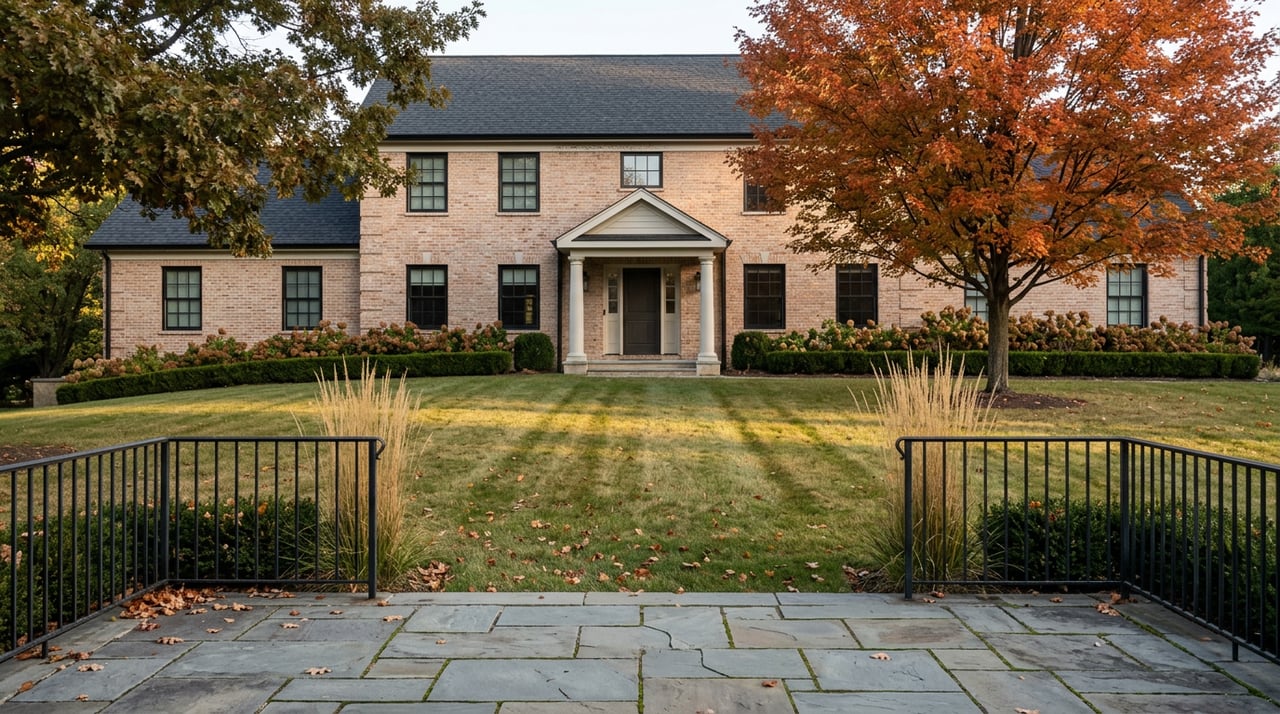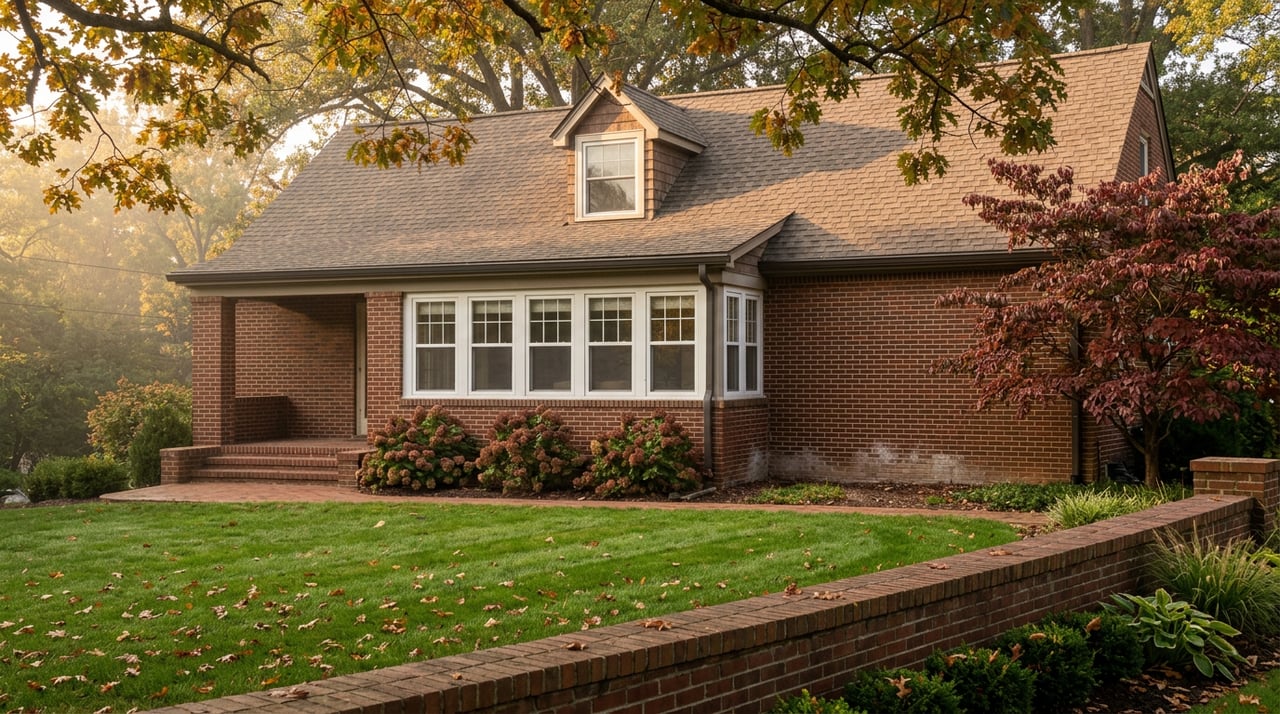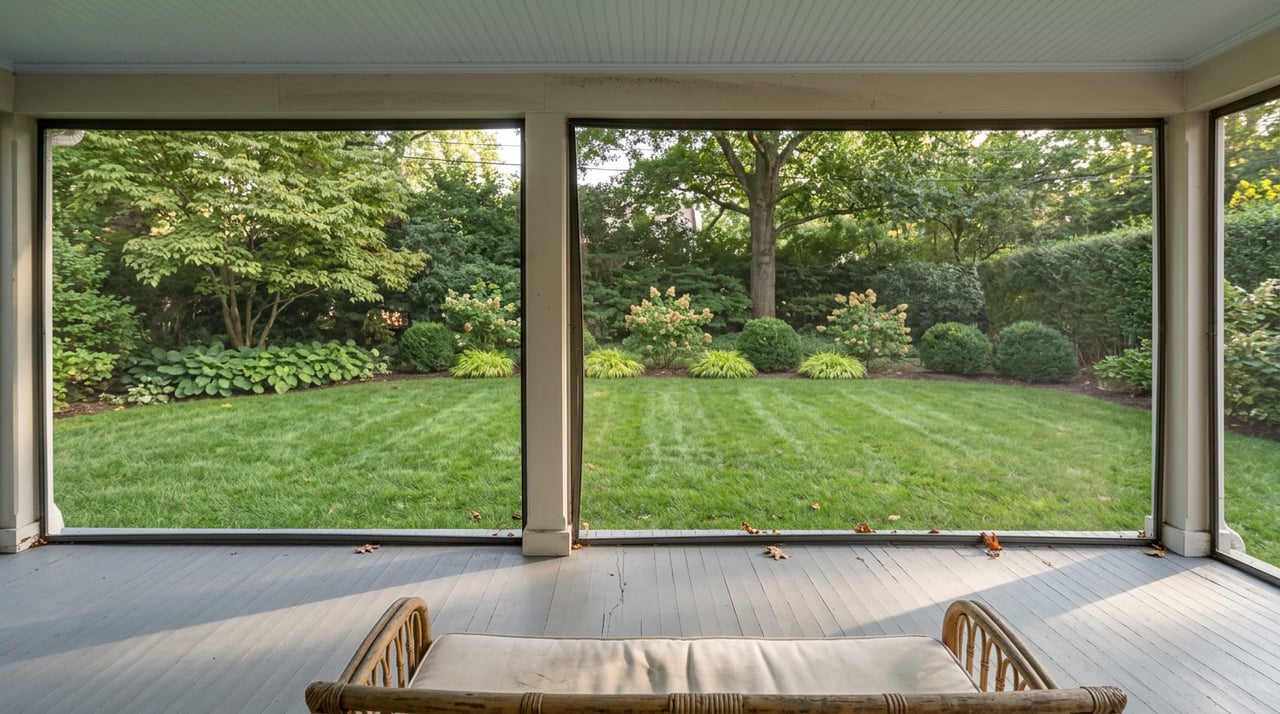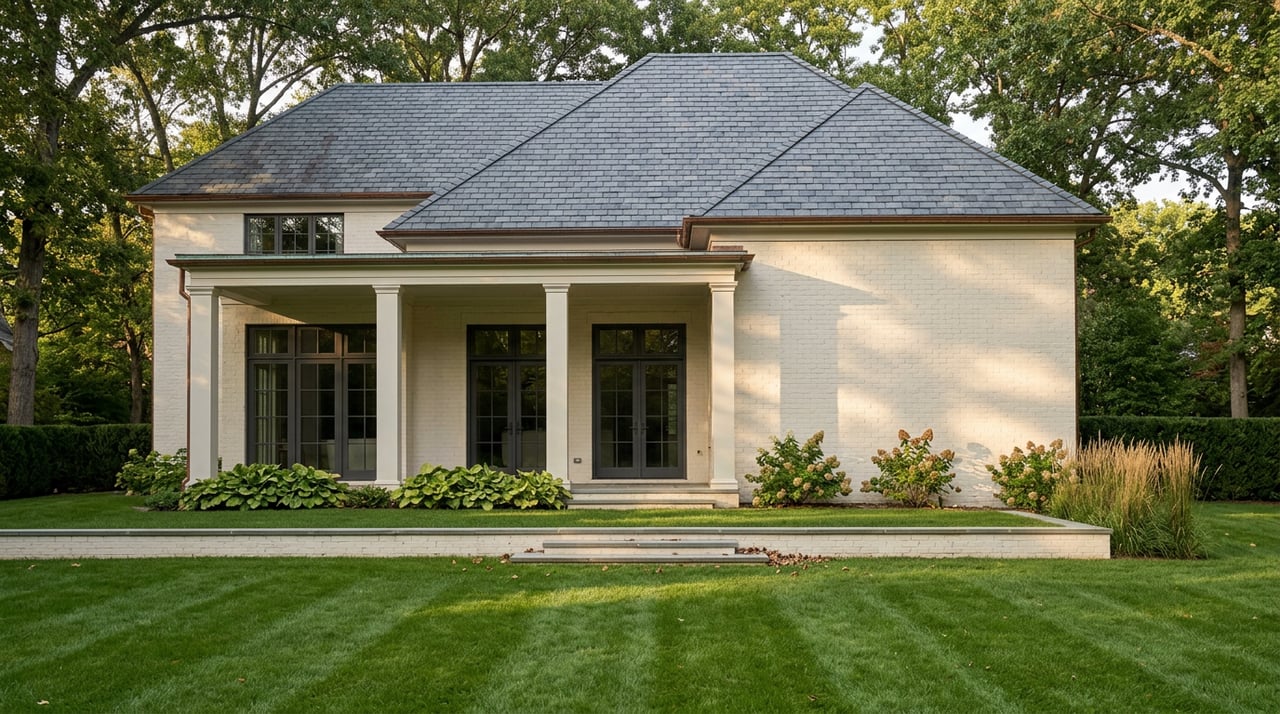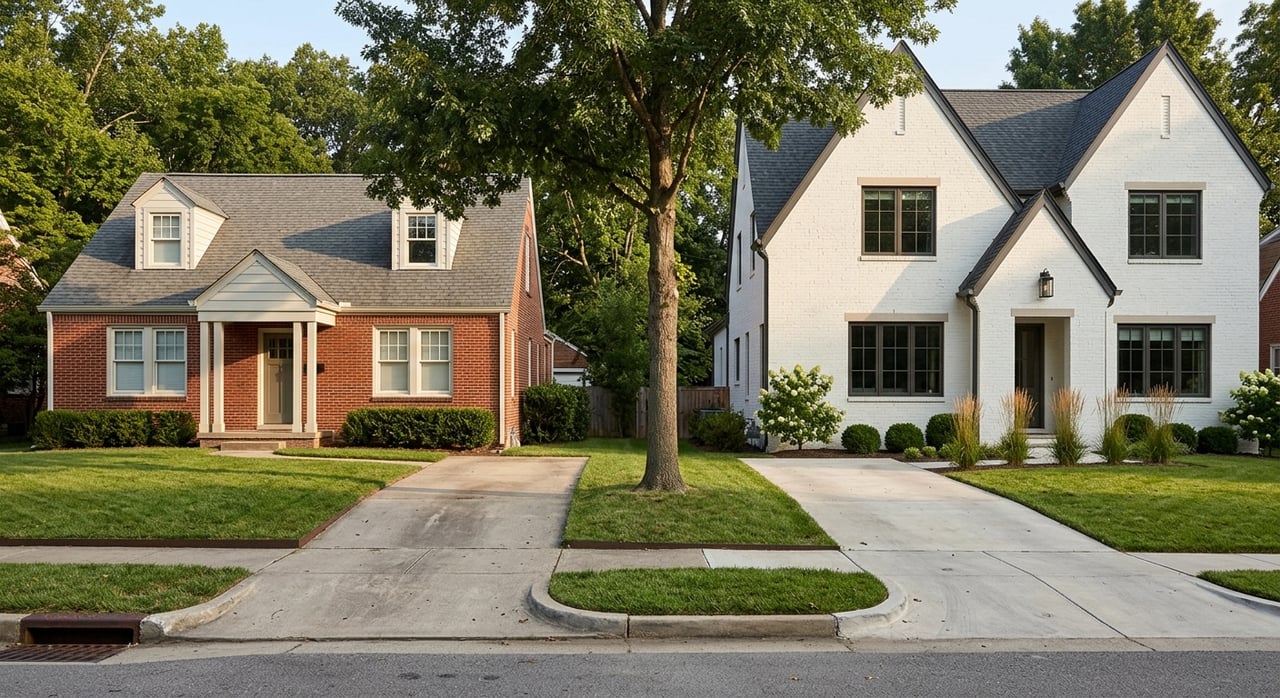
If you have driven through Prairie Village lately, you have probably noticed something changing. The story of this market is no longer just about charming mid-century homes. It is also about older houses being replaced with larger custom builds, major additions, and updated homes that all compete on the same block. If you are buying or selling here, understanding that shift can help you make smarter decisions. Let’s dive in.
Why Prairie Village is changing
Prairie Village has the kind of housing stock that naturally invites reinvestment. Construction began in 1941, and a Johnson County housing study found that 61% of homes were built between 1940 and 1960, with another 18% built in the 1960s. Only 4% of the city’s homes were built since 1990, which means much of the market is still made up of older single-family homes.
That matters because older homes on established lots often become candidates for renovation, expansion, or full replacement. The same housing study noted that some east-central homes are being bought for demolition. In Prairie Village, redevelopment is less about outward growth and more about recycling existing lots.
What teardown and rebuild activity looks like
Permit data shows that rebuilding is not a one-off trend. Prairie Village reported 45 single-family home permits in 2024, after 50 in 2023, 71 in 2022, 64 in 2021, and 51 in 2020. The city also states that most single-family permits are teardown and rebuild projects.
That is a meaningful pattern in a city with mature housing stock and limited room for expansion. In 2024, Prairie Village recorded 1,696 total building permits with a total valuation of $98.7 million. For buyers and sellers, that points to a market where redevelopment continues to influence pricing, expectations, and how blocks evolve over time.
Where new builds are most noticeable
The city’s land use pattern helps explain why some areas feel this shift more than others. About 89% of Prairie Village’s residential land is zoned R-1, and the R-1B district is concentrated in the central part of the city near the Prairie Village Shops. The housing policy also points to a goal of diversifying housing size, type, and price points while maintaining neighborhood integrity.
In practical terms, that means Prairie Village is not pursuing broad rezoning across single-family neighborhoods. Instead, it is adjusting standards and design rules to guide how change happens. That approach is one reason you can see an updated cottage, an expanded ranch, and a newly built custom home within the same general area.
How the city manages redevelopment
Prairie Village does not treat demolition casually. The city requires a demolition permit for all structures, and before one is issued, an owner must provide plans to rebuild or restore the lot. Required materials include a site plan, survey, tree protection or removal plan, asbestos documentation, a haul route, utility disconnect confirmations, fencing details, and notice to all property owners within 200 feet.
The city also requires replacement construction to begin within 60 days of demolition, or the site must be restored. That process shows a clear goal: redevelopment can happen, but it needs to be organized and accountable. For nearby owners, it also means there are formal steps meant to reduce disruption and manage the transition.
Why design standards matter
One of the biggest questions buyers ask is simple: How much can one new house change the feel of a block? In Prairie Village, the answer is shaped by design standards meant to keep new homes compatible with existing streetscapes.
New single-family construction and major additions in R-1A and R-1B are subject to neighborhood design guidelines. These standards are intended to preserve neighborhood character by reinforcing building massing, lot configuration, and the overall rhythm of the street. In 2023, the city specifically directed staff to revisit R-1B design rules so teardown and rebuild projects fit existing neighborhoods better.
What the rules focus on
The city’s design briefs include several specific controls that affect how a new build looks and feels from the street. These rules aim to keep replacement homes from overwhelming older surroundings.
Key elements include:
- 30% building coverage
- 40% impervious coverage
- At least 60% frontage greenspace
- Required frontage trees
- Limits on wall-plane size
- Limits on garage dominance
- Limits on foundation height
These details may sound technical, but they shape everyday curb appeal. They affect how much lawn remains in front of the home, how prominent the garage looks, how tall the house appears from the street, and whether mature canopy patterns continue as blocks change.
Trees and streetscape still matter
Tree standards are especially important in Prairie Village because so much of the city’s visual identity comes from its established lots and leafy streets. The city’s design materials say street trees help create enclosure and value. Depending on lot width, new builds must include one or more frontage trees.
That requirement matters for more than appearance. Trees influence shade, visual softness, and how a home connects to the rest of the block. If you are comparing homes, especially older homes versus newer rebuilds, tree coverage and frontage design can shape both daily enjoyment and future resale appeal.
How new builds affect home values
Prairie Village remains a layered market, not a simple split between old homes and new homes. Current pricing sources cluster around the half-million-dollar range, though they vary by method. Redfin shows a March 2026 median sale price of $553,500, Zillow shows an average home value of $488,597, and Realtor.com reports a median listing price of about $497,000.
That range is well above Kansas’s statewide median listing price of $275,000. It also helps explain why redevelopment continues to make financial sense in many parts of Prairie Village. Established location, limited lot supply, and strong buyer interest support a wide spread of values.
New builds sit at the premium end
New construction is clearly part of the upper end of the market. Redfin’s new-home page shows 10 new homes for sale with a median listing price of $597,000. At the same time, featured examples on that page are mostly luxury custom rebuilds priced around $1.49 million to $1.75 million, often with roughly 3,800 to 4,500 square feet on lots around 7,500 to 8,100 square feet.
That spread is worth paying attention to. In Prairie Village, “new build” can mean different things. It may be a modest infill upgrade, or it may be a high-end custom replacement designed to compete at the luxury level.
Older homes still play a major role
Even with all the attention on new construction, older homes remain very relevant. Current listings include a 1952 expanded ranch at $415,000, a 1957 home at $469,000, a 1973 home at $535,000, and a highly updated 1971 home at $1.295 million. That is a wide range, and it shows how much condition, updates, lot context, and presentation matter.
This is one reason Prairie Village does not feel one-dimensional. Buyers are not simply choosing between old and new. They are weighing layout, finish level, lot utility, privacy, streetscape, and long-term resale potential.
What buyers should pay attention to
If you are buying in Prairie Village, it helps to think beyond the walls of the home. A renovated cottage and a 4,000-square-foot custom build may share a street, but they can create very different living experiences. Privacy, driveway layout, tree canopy, and the scale of neighboring homes all influence how the property feels day to day.
A few smart questions to ask include:
- How does this home fit the scale of the block?
- What does the frontage look like from the street?
- How much greenspace and tree cover does the lot have?
- Are nearby homes likely to remain as they are, or are there signs of future redevelopment?
- How might surrounding home styles affect future resale comps?
In a market like Prairie Village, hyperlocal context matters. The block can be just as important as the floor plan.
What sellers should understand
If you are selling, the value of your property may come from more than the house itself. Because Prairie Village continues to see teardown and rebuild activity, lot utility and redevelopment potential can influence how buyers view an older home. The city’s own permit record, which says most single-family permits are rebuilds, supports that pattern.
That does not mean every older house carries a teardown premium. It does mean some buyers may evaluate your property partly as a future building site, especially if it sits on a desirable block. Pricing, positioning, and marketing should account for both the home’s current condition and the lot’s long-term appeal.
Why local strategy matters
In a neighborhood as nuanced as Prairie Village, broad market averages only tell part of the story. Two homes with similar square footage can perform very differently based on their lot, street presence, tree coverage, and proximity to areas seeing more replacement activity. That is why local guidance matters so much here.
Whether you are buying a renovated mid-century home or preparing to sell a property with redevelopment appeal, you need a strategy grounded in block-by-block context. Thoughtful pricing, polished marketing, and clear guidance can make a real difference in a market where old and new are competing side by side.
If you are thinking about your next move in Prairie Village, Bash KC can help you understand how new builds, lot value, and neighborhood context shape your options.
FAQs
How common are teardown and rebuild projects in Prairie Village?
- Prairie Village reported 45 single-family permits in 2024, and the city says most single-family permits are teardown and rebuild projects.
How does Prairie Village regulate new home construction?
- The city uses demolition requirements, design guidelines, site review standards, greenspace rules, tree requirements, and limits on building massing, garages, and foundation height to help new construction fit existing streetscapes.
Where is redevelopment pressure strongest in Prairie Village?
- The city’s R-1B district is concentrated near the Prairie Village Shops, and the housing study notes east-central areas where older homes are often acquired for demolition.
Do older homes still sell well in Prairie Village?
- Yes. Current listings show 1950s, 1970s, updated vintage homes, and new custom builds all competing in the same market, which means older homes still hold an important place in local pricing.
What should Prairie Village sellers know about lot value?
- In some cases, buyers may see an older property as both a home and a future building site, so lot utility and redevelopment potential can influence pricing alongside the home’s current condition.