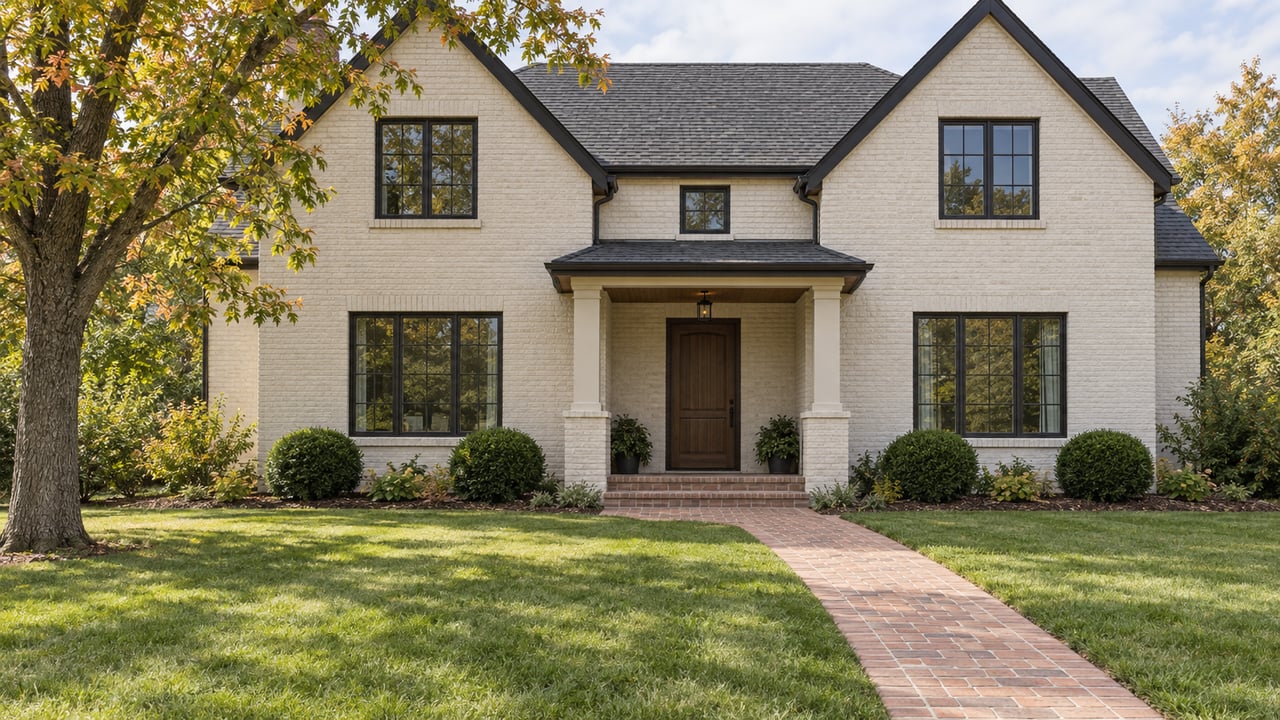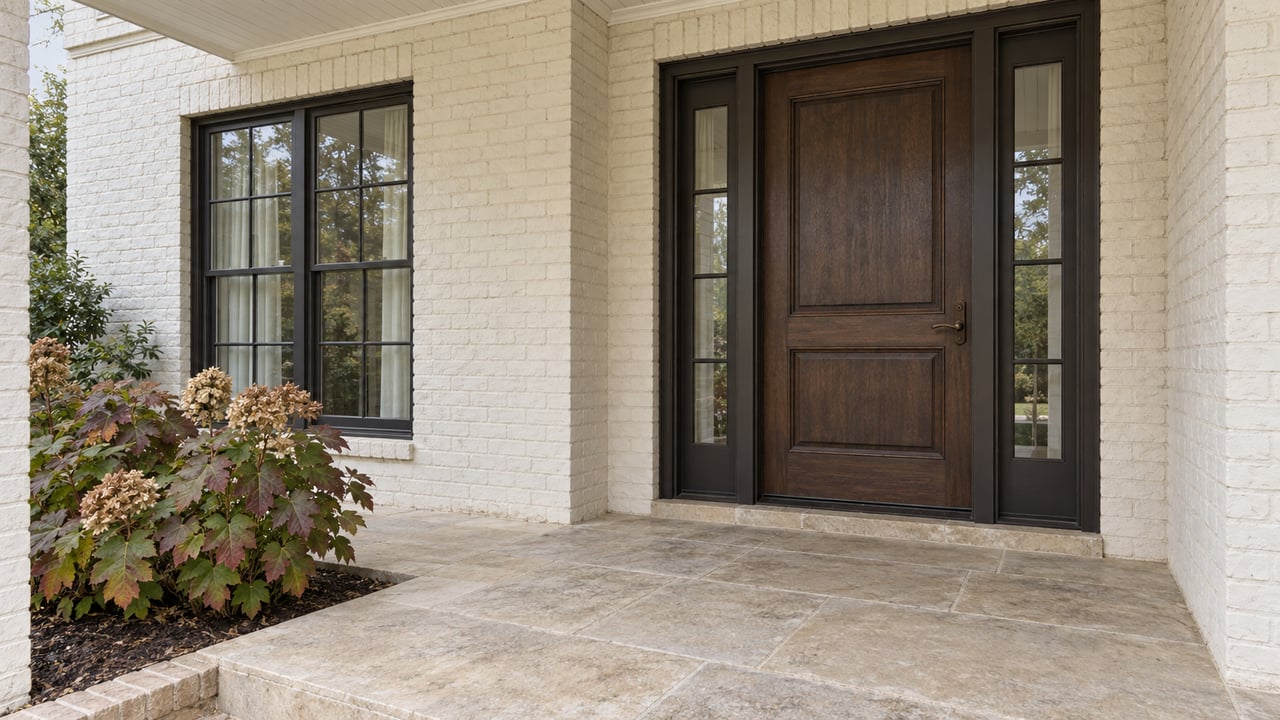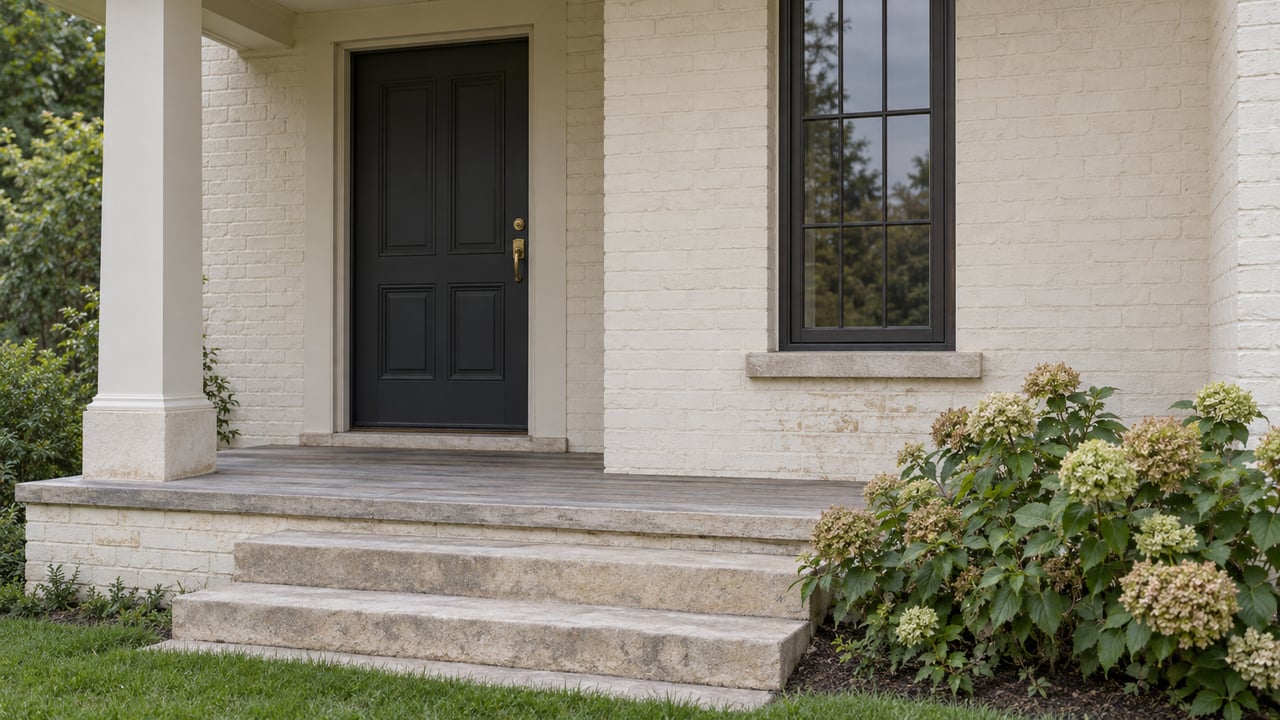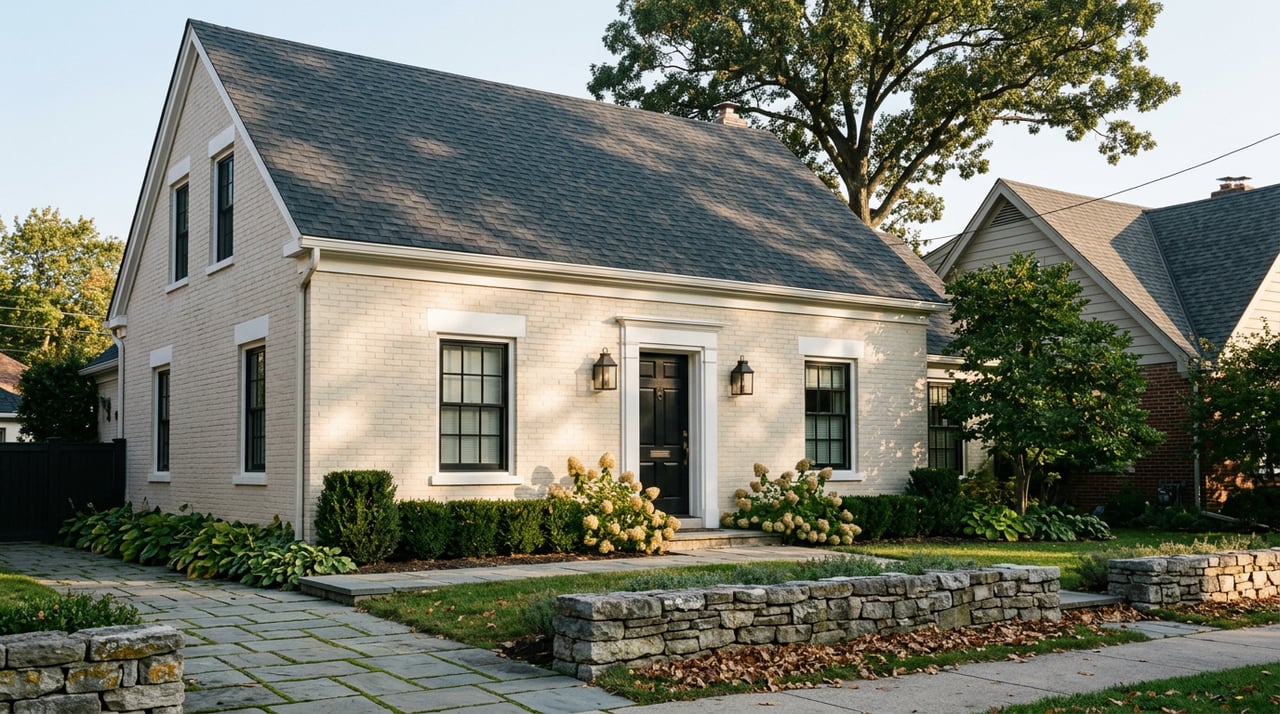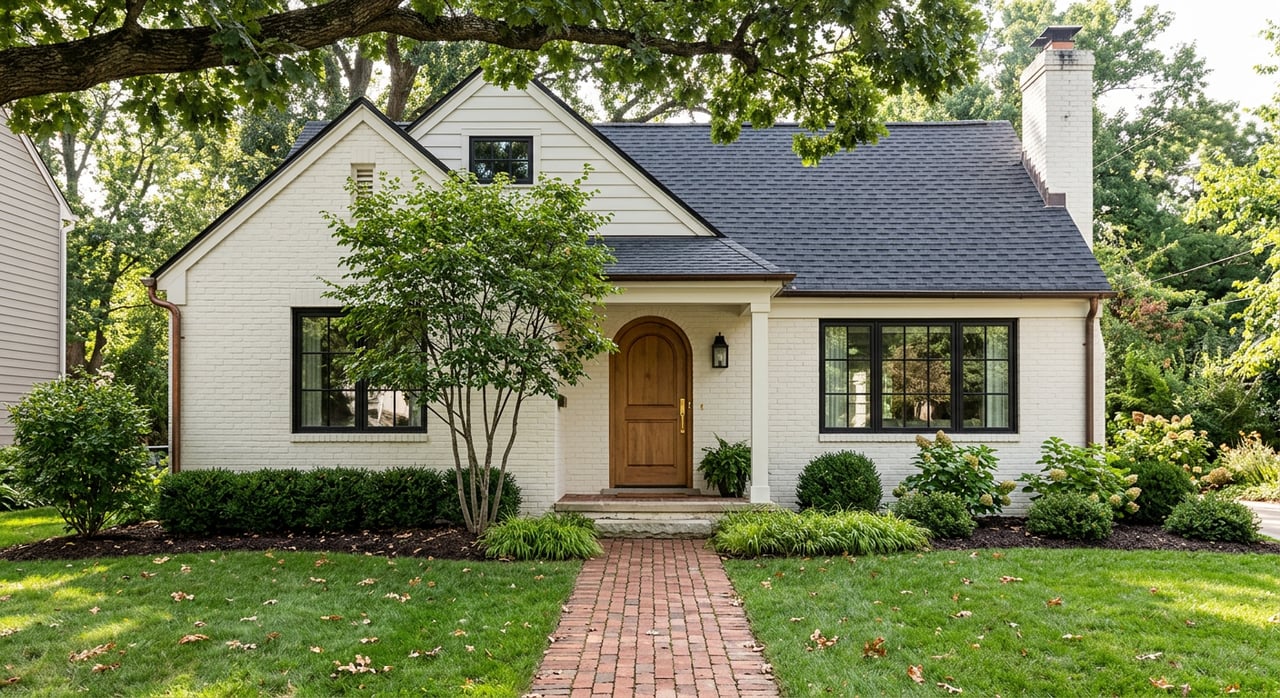
Torn between a sparkling new build and a charming cottage in Prairie Village? You are not alone. Many buyers love the low-maintenance appeal of new construction yet feel drawn to the character and canopy-lined streets that define this city. In this guide, you will learn how price, design rules, maintenance, and value play out here so you can choose with confidence. Let’s dive in.
Prairie Village market snapshot
Prairie Village sits among Johnson County’s higher-priced suburbs, with values that vary by block and home type. The Redfin market summary shows a recent median sale price around the $600,000 mark, based on MLS sold data. Redfin’s city page offers an up-to-date overview. Realtor.com’s locality overview places median list and sale prices in the low-to-mid $600,000s, while Zillow’s ZHVI index reads lower in the mid-$400,000s because it is an index, not a median sale price.
The takeaway is simple: price metrics differ by source and methodology. Expect a broad range from the mid-$400,000s to the mid-$600,000s depending on location, size, and whether you are looking at a renovated cottage or an infill new build. Micro-markets can shift quickly on blocks with several recent teardowns.
What the city’s design rules mean for you
Prairie Village adopted neighborhood design standards to preserve streetscapes and scale. The city’s official Neighborhood Design Briefs cap building coverage at 30 percent of the lot, impervious surface at 40 percent, and require a minimum 60 percent frontage greenspace, with a 50 percent exception on very narrow lots. The brief also outlines tree planting rules, wall-plane and window-percentage standards, garage width limits for forward-facing designs, and a rebuild foundation height limit that is generally no more than 12 inches above the previous foundation. You can review the city’s numeric standards in the Neighborhood Design Briefs.
Why it matters: these rules directly shape infill new builds. Maximum coverage, impervious caps, required greenspace, and tree protections all affect the footprint, driveway layout, site work, and cost. You cannot simply replace a small cottage with an oversized home without design adjustments. If you plan to build or buy a spec home, it is smart to confirm parcel-specific requirements with the city’s Planning and Zoning team early.
New construction: what you gain
New infill homes in Prairie Village typically deliver modern floor plans, taller ceilings, energy-efficient windows, better insulation, updated wiring and plumbing, and contemporary foundations that meet current code. You often get an open kitchen, generous primary suite, modern baths, and integrated tech. Builders commonly provide limited warranties, which can reduce near-term surprises.
You will also likely see lower short-term maintenance and improved energy performance. For many buyers, that predictability is compelling. Nationally, recent buyer data show a sustained appetite for turnkey features and lower immediate maintenance needs. You can explore buyer preferences in the National Association of REALTORS Profile of Home Buyers and Sellers highlights here.
Cost drivers to watch
- Site and compliance costs. Tree protection, stormwater and impervious-area limits, frontage greenspace, and garage-width standards can add time and money. Review the city’s Neighborhood Design Briefs with your builder.
- Hard construction costs. Even for spec or semi-custom, new builds tend to carry a higher cost per square foot than minimal cosmetic work on an existing home.
- Timeline realities. Expect tear-down, site prep, permitting and plan review, then construction. Semi-custom is usually faster than full custom.
Resale and value
New homes often command a premium because many buyers will pay for turnkey condition and modern systems. That said, on narrower lots or where design standards control massing, per-square-foot premiums may compress. Appraisals follow nearby comparables, so clusters of recent infill sales can lift values on a given block.
Classic cottages: character and tradeoffs
Prairie Village’s mid-century cottages and ranches define much of the city’s charm. Many offer single-level living, modest footprints, and mature landscaping. On a given block, an original or thoughtfully updated cottage may price below a fully new custom build, though high-quality renovations can compete strongly.
What to love
- Authentic character. Original millwork, mid-century lines, and established canopies create a timeless streetscape.
- Flexible value path. You can buy at a lower basis, then update kitchens, baths, or mechanicals over time.
- Location and lot. Many cottages occupy desirable, walkable streets with compact yards that are easier to maintain.
Common considerations
- Systems and structure. Older roofs, windows, water heaters, electrical panels, and plumbing may be at or near end of life. Inspection and budgeting are essential.
- Renovation planning. Targeted updates can recapture value. Remodeling’s Cost vs Value benchmarks show exterior and midrange projects, such as garage door replacement and minor kitchen remodels, often recoup a strong share of cost at resale. You can review recent recapture trends in this Cost vs Value summary.
Operating costs, taxes, and the long view
New builds usually start with lower near-term capital expenses and improved efficiency, though your property tax basis may reset higher after reassessment. Older cottages may begin with a lower tax basis but require near-term investments in roofs, HVAC, windows, or drainage. For context on local tax dynamics, Prairie Village’s municipal mill levy has been discussed around the 18.325 mills level in recent planning documents, with county and other levies layered on top. You can read a local report on Johnson County property tax discussions here. Always confirm the exact tax impact for a specific property with the county after any major improvement or rebuild.
A simple decision framework
Use these three lenses to clarify your best fit:
- Budget and cash flow. If you want predictable monthly expenses and minimal near-term projects, a turnkey new build is often the better path. If you prefer a lower entry price and plan to invest in updates over 1 to 3 years, a cottage can be compelling.
- Lifestyle and functionality. If single-floor living and original character speak to you, focus on cottages and tasteful renovations. If you want an open plan, large kitchen with island, en-suite baths, and energy efficiency, lean new.
- Investment horizon. If you plan to move within 5 years, prioritize move-in-ready options to limit construction stress. If your horizon is 7-plus years, a cottage plus smart renovations can be a strong value play.
Due diligence checklist
For cottages:
- Full inspection with attention to roof, foundation, drainage, electrical, plumbing, HVAC, and windows.
- Sewer lateral scoping and, where relevant, checks for lead-based paint or asbestos.
- Three bids for immediate capital work so you can compare scopes and timelines.
For new builds or teardown lots:
- Verify parcel-specific standards for building coverage, impervious surface, frontage greenspace, garage placement, and tree requirements using the city’s Neighborhood Design Briefs. Confirm items like foundation height limits and driveway constraints.
- Ask the builder for site work allowances, stormwater plans, and warranty details.
- Review utility tie-ins and any special stormwater or tree mitigation obligations.
Financing prep:
- New construction often uses construction or construction-to-permanent loans with draw schedules.
- Buying to renovate usually pairs a conventional mortgage with renovation financing. Talk to a local lender early to align product choice with your project scope.
Red flags and negotiation levers
Cottages:
- Unpermitted additions, outdated knob-and-tube wiring, significant drainage or foundation issues, or expired permits on major work.
- Long-deferred maintenance that clusters across systems can justify a price adjustment or seller credits.
New infill or spec:
- Tight sites that require expensive tree removal or complex stormwater detention.
- Garage designs or driveway plans that conflict with frontage greenspace or width rules.
- Neighborhood objections that could slow permitting.
Which option tends to hold value?
Both paths can perform well in Prairie Village when you buy the right house on the right street. New construction can draw strong demand thanks to modern layouts and low-maintenance living. Well-updated cottages can capture a character premium when renovations respect the original fabric and fit the block. Because appraisals follow comparable sales, values can shift quickly on streets with multiple infill closings. A block-by-block review is essential.
How Bash KC can help
You deserve a calm, data-informed path to your Prairie Village decision. Our team pairs neighborhood-level insight with a high-touch process to help you weigh turnkey convenience against character and renovation upside. We will review parcel-specific design rules, walk you through site and systems risks, and design a purchase plan that fits your timeline and lifestyle. Ready to compare your options and run real numbers on the streets you love? Connect with Bash KC to start your plan today and request your personalized home valuation.
FAQs
What is the current price range in Prairie Village?
- Depending on the source and metric, recent figures show a broad range from the mid-$400,000s to the mid-$600,000s, with Redfin and Realtor.com reporting medians around the $600,000s and Zillow’s ZHVI reading lower as an index.
How do Prairie Village’s design standards affect new builds?
- The city caps building coverage at 30 percent, impervious surfaces at 40 percent, and requires 60 percent frontage greenspace, plus rules on trees, garage widths, window percentages, wall planes, and foundation height, per the official Neighborhood Design Briefs.
Are cottage renovations likely to pay off at resale?
- Many targeted updates have strong cost recapture at resale, with recent Remodeling Cost vs Value data showing high returns for exterior upgrades and midrange kitchen work; see the latest Cost vs Value summary.
How might property taxes change after a teardown and rebuild?
- A new build typically triggers reassessment that can raise your property tax basis, and local mill levies include city, county, and other jurisdictions; review local context in this Johnson County tax article and confirm specifics with the county.
What financing fits teardowns or renovations in Prairie Village?
- New construction often uses construction or construction-to-permanent loans, while buying to renovate may pair a conventional mortgage with a renovation product; a lender experienced in construction and renovation lending can align the right option with your scope.