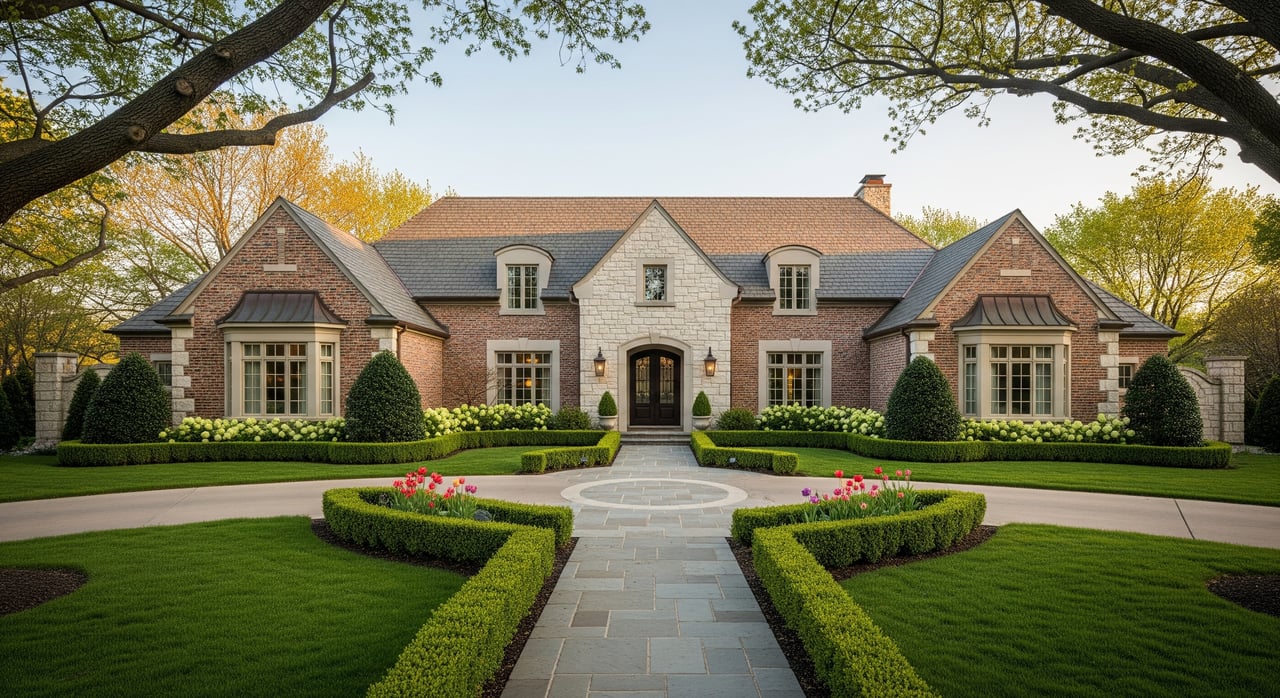
Thinking about selling your Leawood home but not sure when to make your move? Timing can influence how quickly you sell and the strength of the offers you receive. You want a plan that fits your life and the market, not just a guess. In this guide, you’ll learn the best listing windows in Leawood, how seasonality works here, and a practical prep timeline so you hit the market ready. Let’s dive in.
Best months to list in Leawood
The typical sweet spot in Leawood is late March through May. A secondary window often appears in early September through mid‑October. These periods line up with stronger buyer traffic, better weather for showings, and the schedule of families planning a summer move.
Slower months often include late November through December and late January into early February. You can still sell in these periods, but you may see fewer showings and need sharper pricing or incentives.
Why spring works
- More buyers are active, and you often see more showings per listing.
- Curb appeal is stronger with budding trees and refreshed landscaping.
- Families who want to close in June through August start shopping in spring to align with school schedules.
Early fall advantage
- Buyers who paused for summer travel get back to their search with a fresh focus.
- Motivated movers prefer to wrap up before the holidays.
- If you missed spring, fall can deliver strong results with less direct competition than peak months.
When winter can still work
- In low-inventory pockets, well-presented homes stand out even in slower seasons.
- Motivated corporate relocations and move-ready buyers continue year-round.
- With great photos, staging, and a competitive price, you can still attract serious interest.
What affects your timing
Seasonality is a useful guide, but it is not the only factor. The strongest timing for you depends on demand in your price range, your preparation, and broader conditions.
- School calendars: Listing in spring often sets you up to close in early summer, a common preference for families.
- Jobs and commuting: Moves often follow job changes or relocations around the Kansas City metro and Overland Park employment centers.
- Inventory: When the number of available homes is low, you can perform well outside spring or fall because buyers have fewer choices.
- Interest rates: Changes in mortgage rates affect affordability and demand. When rates stabilize or fall, more buyers tend to re-enter the market. For national context on seasonality and sales trends, review the National Association of REALTORS existing-home sales data.
- Weather and curb appeal: Spring photos and open houses usually show your home at its best. Outdoor features like patios or pools shine from late spring through early fall.
Home type and price band
Not every property moves on the same schedule. Match your approach to your home.
- Entry-level homes: These often see the largest pool of buyers and can benefit most from spring activity.
- Move-up homes: Strong in spring and early fall, but results vary with neighborhood inventory.
- Luxury homes: High-end buyers search year-round and may have flexible timelines. Marketing quality, privacy, and targeted outreach often matter more than the month.
- Homes with standout outdoor spaces: If your home features a pool, outdoor kitchen, or exceptional landscaping, late spring through early fall helps showcase these assets.
Pricing and offers by season
- Spring: With more buyers in the market, you can price a bit more confidently and aim to spark multiple offers if inventory is tight.
- Early fall: Pricing can still be assertive, especially when your home presents well and competition is limited.
- Winter: Consider sharper pricing, credits for closing costs, or flexible closing dates to attract motivated buyers who need to move now.
- Luxury: Use comparable sales from a longer lookback period, often 6 to 12 months, because sales volume is lower and days on market can be longer.
Your pre-listing timeline
Give yourself enough time to prepare. A polished listing can translate into stronger first impressions and better offers.
6–12 weeks before listing
- Interview local agents and study neighborhood comparables.
- Decide on timing based on season, school calendars, and personal needs.
- Schedule major repairs or updates and set a realistic timeline.
4–6 weeks before listing
- Deep clean, declutter, and depersonalize. Finalize a staging plan.
- Refresh landscaping and curb appeal based on season.
- Order professional photography and floor plans. Consider twilight photos if they suit your property.
- If you want fewer surprises, consider a pre-listing inspection and address key issues.
1–2 weeks before listing
- Complete final staging and cleaning.
- Confirm open house plans and showing logistics.
- Finalize MLS details, storytelling description, and pricing strategy with your agent.
After listing
- Monitor feedback from showings and be willing to adjust.
- Coordinate offers and negotiate inspection and repair timelines.
- Confirm a closing date that fits both sides and typical mortgage timelines.
From contract to closing
Plan for a contract-to-close window of about 30 to 45 days when the buyer is financing. Cash purchases can close faster. Title work, appraisal, and repairs can affect the schedule, so build in some flexibility.
If you care about which tax year your sale lands in, plan your closing date with your tax professional. For local records and tax details, the Johnson County Appraiser provides guidance and property information on the Johnson County Appraiser site. For permits and community standards that may affect pre-listing work, visit the City of Leawood.
Where to find current local data
Market conditions shift month to month. For the most accurate, neighborhood-level picture, use trusted sources and current reports.
- Heartland MLS / KCRAR: For inventory, median price, and days on market across the Kansas City region, review the Kansas City Regional Association of REALTORS market statistics.
- National Association of REALTORS: For national and regional seasonality and sales trends, see the existing-home sales reports.
- Johnson County: For property records and tax data, start with the Johnson County Appraiser.
- City of Leawood: For community planning and permitting, visit the official city website.
- U.S. Census Bureau: For broad demographic context, review Johnson County QuickFacts.
Use the most recent 12 to 24 months of data to evaluate seasonality. Short-term anomalies can skew conclusions, so pull a longer view when possible.
Strategy for luxury listings in Leawood
High-end and custom homes often follow a different rhythm. Buyers in this segment search year-round and value privacy, presentation quality, and targeted outreach. Your timing can be flexible when marketing is exceptional.
Focus on these elements for premium results:
- A bespoke marketing plan with high-end photography, video, and thoughtful staging.
- Story-driven listing copy and strategic exposure across local and national channels.
- Private showings and coordinated events tailored to likely buyer profiles.
- A pricing strategy based on longer-term comps and nuanced neighborhood dynamics.
Questions to ask your Leawood agent
- Which 4 to 6 weeks this year look strongest for my price range and neighborhood?
- How does current inventory in my area affect pricing and timing?
- What prep will deliver the best return, and what can I skip?
- How long should I expect from listing to closing based on my likely buyer’s financing?
- What is your plan for photography, staging, and exposure in the first 7 to 10 days?
Putting it all together
If you want to maximize your sale, align your listing date with peak buyer attention, present a polished property, and price with confidence based on fresh comps. Spring is often best in Leawood, with early fall a strong runner-up. That said, the right plan, strong marketing, and clear communication can produce a great result any time of year.
Ready to find your optimal listing window and a custom plan for your home? Connect with Bash KC for a data-informed strategy, concierge preparation, and luxury marketing designed to reach the right buyers.
FAQs
Is spring always the best time to sell in Leawood?
- Spring tends to bring the most buyer activity and curb appeal, but low inventory, your price tier, and personal timing can make other seasons equally effective.
How do interest rates affect when I should list?
- Rate changes influence buyer affordability and demand; stable or lower rates can boost activity, but your neighborhood’s inventory and comps should guide final timing.
Should I wait to list if my home needs work?
- If repairs or updates will meaningfully improve price or marketability, complete them first; otherwise, consider an as-is strategy with pricing that reflects needed work.
Can good marketing overcome a slower season like winter?
- Yes, strong staging, professional photos, and competitive pricing can attract serious buyers in winter, though you may see fewer showings and longer time on market.
How does the school calendar affect my sale timing?
- Many families prefer to move in summer; listing in spring helps you align closing with June through August.
How long from listing to closing should I expect?
- Many financed transactions close in about 30 to 45 days after contract; cash deals may close faster. Pre-listing prep typically adds 2 to 8 weeks before you go live.