If you love the idea of character, walkability, and a neighborhood that feels rooted in Kansas City’s story, historic living can be hard to beat. You are not just choosing a house in these areas. You are choosing streetscapes, architecture, and a daily rhythm that feels different from newer development. This guide will help you understand what makes Kansas City’s historic neighborhoods stand out, what living there can look like, and one practical detail buyers and sellers should keep in mind. Let’s dive in.
Why historic neighborhoods stand out
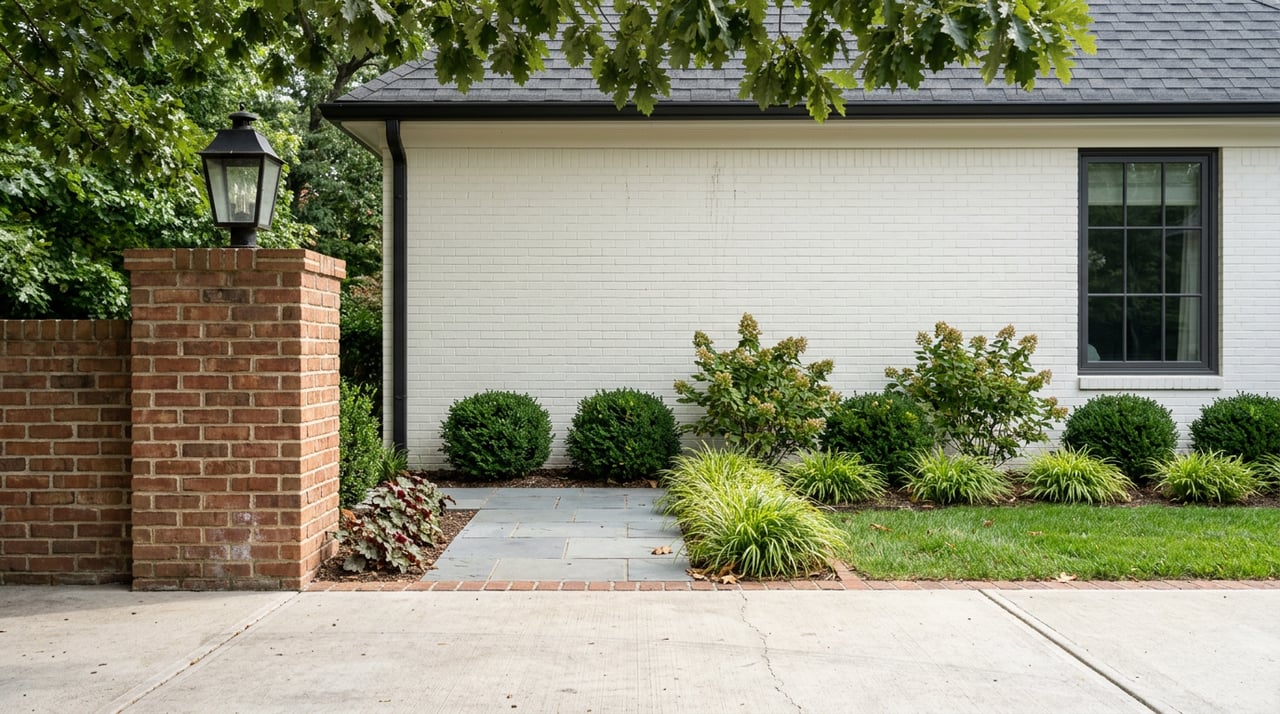
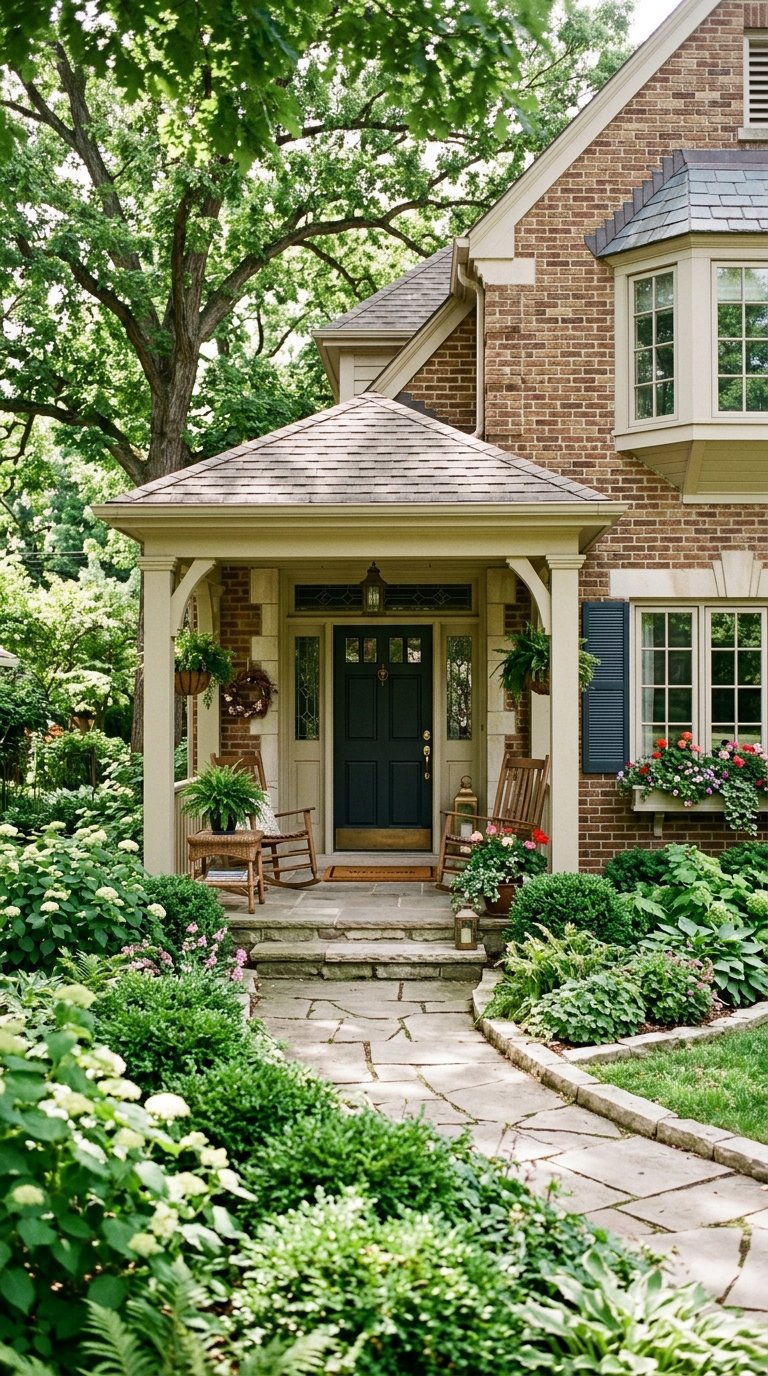
Kansas City’s historic neighborhoods are often defined by three things: preserved architecture, neighborhood-scale commerce, and a more personal day-to-day feel. In many cases, the appeal starts at the street level with mature trees, front porches, varied home styles, and blocks that encourage walking rather than driving for every errand.
That sense of place is especially strong in neighborhoods like Hyde Park, Brookside, and West Plaza. Each offers a different version of historic living, but all three reflect the city’s long-standing pattern of architecture mixed with local amenities and community identity.
Another important factor is preservation. In Kansas City, locally designated historic districts and landmarks are reviewed by the Historic Preservation Commission, which means visible exterior changes may require a Certificate of Appropriateness. If you are buying or preparing to sell a locally designated historic property, that is one of the most useful details to understand early.
Hyde Park living
Hyde Park character and design
Hyde Park Historic District is listed by the National Park Service and is known as a well-preserved turn-of-the-century neighborhood with 291 significant structures. The area offers a dense mix of architectural styles, including Colonial Revival, Shingle, Queen Anne, Victorian Romanesque, Prairie School, Bungalow, and Kansas City Vernacular shirtwaist homes.
Many homes are about 2.5 stories tall and sit on larger lots with deeper setbacks than you may expect in an older urban neighborhood. That creates a more open streetscape and gives the neighborhood a distinct visual rhythm as you move block by block.
Hyde Park lifestyle
The public landscape is part of daily life here. Historic summaries note that Hyde Park park was the first park designed in Kansas City by George E. Kessler, and the neighborhood remains one of the city’s best-preserved examples of early 20th-century residential planning.
Old Hyde Park, within the broader neighborhood, adds to that appeal with tree-lined and highly walkable streets. You will also find a broader housing mix that includes Victorian, Classical Revival, Colonial Revival, Craftsman, Prairie, shirtwaist, and colonnaded walk-up apartment buildings.
Hyde Park housing mix
Current listings suggest Hyde Park still offers variety rather than a single housing type. Recent market snapshots showed single-family homes, condos, and multifamily properties for sale, with examples ranging from roughly 2,100 to 3,000 square feet and some larger multifamily options.
In South Hyde Park, Realtor.com reported 17 active homes for sale with a median listing price of $350,000 and an average of 47 days on market. For buyers, that points to a neighborhood with options across property types. For sellers, it highlights the value of positioning a home within a broad but character-driven market.
Brookside living
Brookside daily convenience
Brookside is often the easiest historic neighborhood to picture in everyday terms because its neighborhood center is such a visible part of life there. The Brookside Business Association describes it as Kansas City’s first suburban shopping area, with shops conceived before World War I, ground broken in 1919, and completion over the following decade.
Today, Brookside includes more than 90 shops, restaurants, and offices that continue to serve daily neighborhood needs. That blend of historic setting and practical convenience is a big part of why the area remains so popular with buyers who want a central Kansas City lifestyle.
Brookside community rhythm
The neighborhood calendar adds another layer to Brookside living. Recurring events include the St. Patrick’s Day Warm-Up Parade, Brookside Art Annual, Sidewalk Sale and Shred Event, Sip and Shop, Trick or Treat Street, and the Holiday Season Opener.
Visit KC also describes Brookside as a historic neighborhood built in the 1920s and notes that the Brookside Art Annual draws more than 70,000 visitors. That kind of event activity helps explain why Brookside often feels lively without losing its neighborhood identity.
The Brookside Community Improvement District also supports the area with services such as daily trash removal, security, sidewalk cleaning, landscaping, and holiday decorating. For residents, those behind-the-scenes services can shape how polished and active the district feels throughout the year.
Brookside housing style
Brookside’s housing stock reflects classic early-to-mid 20th-century Kansas City residential architecture. Current listings have ranged from smaller three-bedroom houses around 1,000 square feet to four- and five-bedroom homes above 2,000 square feet, along with larger renovated properties near 5,000 square feet.
Listing details often point to features buyers associate with established neighborhoods, such as front porches, basements, garages, updated kitchens, and formal dining rooms. If you are comparing city neighborhoods with suburban alternatives, Brookside often stands out as a strong option for buyers who want historic character with a built-in neighborhood center.
West Plaza living
West Plaza location appeal
West Plaza offers a compact historic setting near two of Kansas City’s best-known districts: the Plaza and Westport. According to the neighborhood association, it is a vibrant historic neighborhood west of the Plaza and south of Westport, with roots tied to the Santa Fe Trail, the Battle of Westport, immigrant labor, and streetcar-era development.
That history still shows up in the housing stock and the street pattern. The association notes that many early homes were simple three-room houses, and that the neighborhood’s stone retaining walls came from street grading done when sewers and service lines were buried.
West Plaza neighborhood feel
Today, West Plaza reads as active and resident-led. The neighborhood association maintains programs such as neighborhood cleanup, senior outreach, a neighborhood garden, music in the park, and art in the park, with a newsletter that reaches 1,100 residences.
That kind of ongoing participation can matter if you want a neighborhood that feels established and engaged. It gives West Plaza a more intimate, closely watched feel than areas that function mainly as retail or entertainment zones.
West Plaza housing and price point
Recent market data showed West Plaza with 43 homes for sale, a median listing price of $249,950, and a median 44 days on market. Listings included both condos and houses, from roughly 800-square-foot condos to larger homes above 4,000 square feet.
That range fits the neighborhood’s broader mix of modest originals, restorations, and newer infill. For buyers who want central Kansas City access at a relatively approachable price point, West Plaza can offer an appealing entry into historic neighborhood living.
The broader Plaza corridor also adds lifestyle value. Visit KC describes Country Club Plaza as 15 city blocks of Spanish-inspired architecture, fountains, Plaza Lights, and the Plaza Art Fair, while the KC Streetcar’s Main Street extension now connects the Plaza, Southmoreland, Westport, and UMKC with fare-free service and roughly 10- to 15-minute peak headways.
How these neighborhoods compare
Hyde Park vs Brookside vs West Plaza
If you are deciding between these areas, the right fit often comes down to what kind of daily experience you want most. All three offer historic character, but they express it differently.
- Hyde Park leans into turn-of-the-century preservation, larger setbacks, and architectural variety.
- Brookside is the clearest choice if you want a walkable shopping-and-dining center woven into the neighborhood.
- West Plaza offers a smaller-scale, eclectic urban fabric with strong ties to the Plaza and Westport corridor.
For many buyers moving from Johnson County or comparing city and suburban options, Brookside is often the easiest transition. Its own business association frames it as centrally located and easily accessible from Overland Park, Prairie Village, Johnson County, Downtown KC, and the broader metro.
What buyers and sellers should know
Historic updates can be different
With older homes, upgrades are not always as simple as they would be in newer construction. If a property is locally designated, visible exterior changes may require review by Kansas City’s Historic Preservation Commission through a Certificate of Appropriateness.
That does not mean historic ownership is difficult. It simply means planning matters, especially if you are evaluating exterior improvements before listing or considering post-closing renovation plans as a buyer.
Housing types vary more than you might expect
These neighborhoods are not one-note. Across Hyde Park, Brookside, and West Plaza, you will find a mix of single-family homes, condos, multifamily buildings, restored properties, and in some cases newer infill.
That variety can create opportunity, but it also makes neighborhood-level guidance more important. Pricing, condition, lot size, layout, and preservation context can all shape value in ways that differ from newer subdivisions.
Finding the right historic fit
Historic neighborhood living in Kansas City is about more than age or architecture. It is about choosing the kind of streets, homes, and routines that match how you want to live. Whether you are drawn to Hyde Park’s preservation identity, Brookside’s neighborhood-center convenience, or West Plaza’s compact urban energy, the best choice is the one that aligns with your pace and priorities.
If you want thoughtful guidance as you explore Kansas City’s historic neighborhoods, Bash KC can help you compare options, understand market context, and move with confidence.
FAQs
What makes historic neighborhood living in Kansas City different?
- Historic neighborhoods in Kansas City often combine preserved architecture, walkability, and neighborhood-scale shops or services, creating a more distinct daily feel than newer development.
What is special about Hyde Park in Kansas City?
- Hyde Park stands out for its turn-of-the-century homes, wide mix of architectural styles, larger setbacks, and its connection to early residential planning and park design.
What is the lifestyle like in Brookside Kansas City?
- Brookside offers a strong daily routine built around a historic neighborhood shopping district, regular community events, and a housing stock filled with early-to-mid 20th-century homes.
Is West Plaza a good area for historic homes in Kansas City?
- West Plaza offers a compact mix of historic houses and condos near the Plaza and Westport, with an active neighborhood association and a relatively approachable central Kansas City price point.
What should buyers know about renovations in Kansas City historic districts?
- Buyers should know that locally designated historic properties may need a Certificate of Appropriateness for visible exterior changes reviewed by Kansas City’s Historic Preservation Commission.