If you are selling a Mission Hills estate, you are not entering a typical market. You are stepping into a thin, high-value segment where presentation, pricing, and timing can shape the entire result. The good news is that with the right plan, you can move from listing to closing with less stress and more confidence. Let’s dive in.
Understand the Mission Hills market
Mission Hills is a premium market with limited inventory, and that changes how you should think about your sale. In May 2026, Realtor.com reported 14 active listings, a median listing price of $1.75 million, and 31 median days on market. Redfin’s three-month snapshot ending in May 2026 reported a median sale price of $1,376,176, 11 homes sold, and a median of 1 day on market.
Those numbers do not conflict as much as they show how thin this market is. Different trackers measure different things, and a small number of sales can make averages swing quickly. For you as a seller, the practical takeaway is simple: broad metro trends matter less here than pricing precision, property condition, and the way your home is presented.
Prepare your estate before listing
In Mission Hills, pre-listing prep is not just about making your home look polished. It is also about making sure any visible work lines up with city requirements. That is especially important in a community with design standards meant to preserve greenspace, lot layouts, historic patterns, and architecture.
Know the Architectural Review Board rules
Mission Hills uses an Architectural Review Board, often called the ARB, for exterior changes. If you are thinking about repainting, replacing a roof, changing a driveway, adding a fence, or doing other visible work before listing, exterior alterations must be approved by the ARB before a building permit can be issued.
The city also requires building permits for most renovation and construction projects. Another important detail is that new permits cannot be issued until expired or outstanding permits have passed final inspection. If your home has unfinished permit history, that is worth addressing early so your listing timeline stays on track.
Focus on curb appeal that fits the property
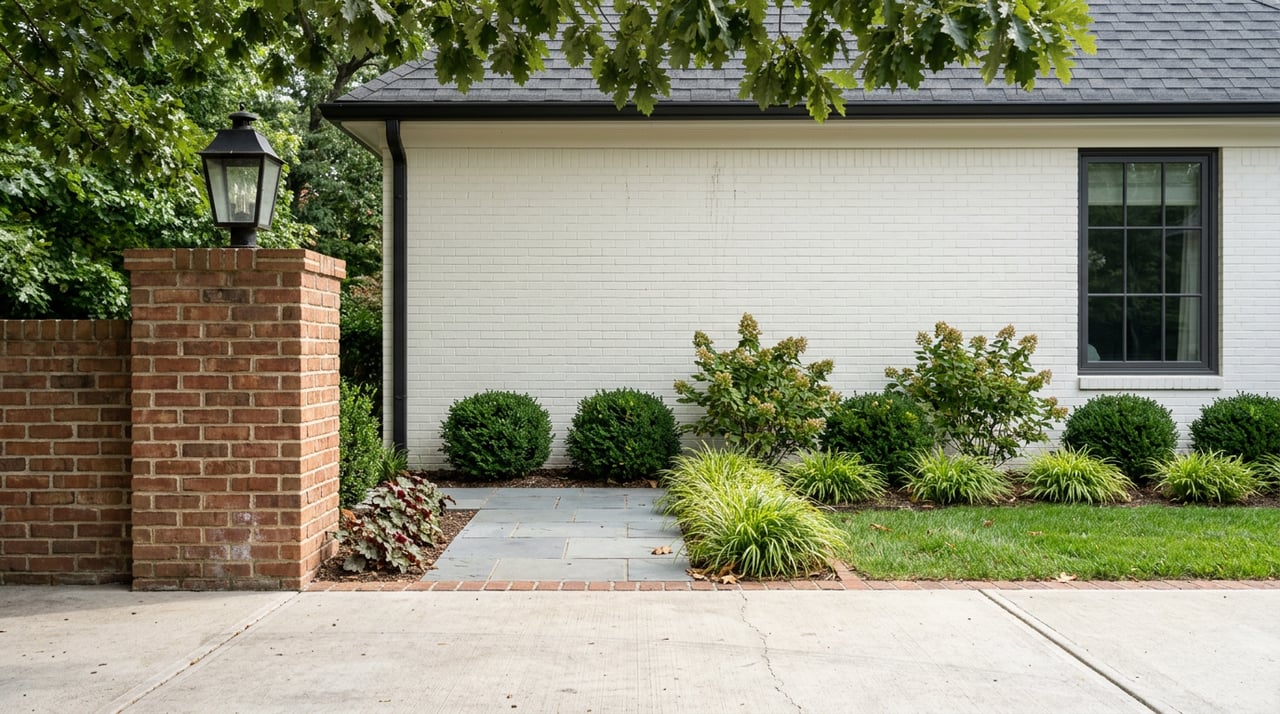
Because Mission Hills places real emphasis on exterior character, curb appeal carries extra weight. Buyers in this market often notice roof condition, paint quality, hardscape upkeep, landscaping, and how well the home fits its setting before they ever step inside.
That does not mean every seller needs a major renovation. It means your exterior should feel well maintained, intentional, and consistent with the property. A thoughtful pre-listing review can help you decide which updates are worth doing and which are better left alone.
Plan for signs, photos, and sale logistics
Mission Hills is also specific about listing-related logistics. The city allows one yard sign and one temporary sign on a property, with additional temporary-sign limits during certain periods and a setback of at least 10 feet from the curb line.
The city FAQ also says a permit is needed for photography and filming in the city. In addition, permits are required for garage, estate, and moving sales. These details may seem small, but they can affect your marketing schedule and move-out planning, so it helps to account for them upfront.
Build a pricing strategy around comps
One of the biggest mistakes premium sellers can make is relying too heavily on a tax value when setting a list price. In Johnson County, property is appraised at fair market value as of January 1, and Notices of Appraised Value are mailed on March 1. The county appraiser also reviews recent neighborhood sales and property characteristics when estimating value.
That said, tax assessment is not the same thing as a live-market pricing strategy. For a Mission Hills estate, recent sold comparables, current competition, lot characteristics, updates, condition, and presentation usually offer a more useful pricing picture than the assessed value alone.
Why pricing precision matters here
In a thin market, every listing stands out more. If you price too high, you may narrow your buyer pool and lose momentum. If you price too low without a clear strategy, you risk leaving value on the table.
The goal is not just to pick a number that sounds impressive. The goal is to position your home so serious buyers see it as credible, compelling, and worth acting on. That is where hyperlocal knowledge matters most.
Expect clear communication from day one
Selling a home in Kansas comes with brokerage disclosure requirements that support a transparent process. Kansas law requires a brokerage relationships brochure to be given at the first practical opportunity, and receipt is generally acknowledged in the sale contract. Brokerage relationship disclosure is also required at initial contact and included in the contract for sale.
For you, that means your working relationship should be clearly explained early. In a high-value sale, that clarity matters because smooth communication often drives smoother decisions.
What transaction management should look like
Kansas law outlines what a transaction broker is expected to do. That includes presenting offers and counteroffers in a timely manner, keeping parties informed, assisting with closing, and disclosing adverse material facts actually known.
At the same time, the broker does not have a duty to independently inspect the property or verify a third-party report. Kansas law also limits disclosure of certain personal confidences, such as whether a seller is willing to accept less than the asking price, unless the seller consents. For many premium sellers, that balance supports a concierge-style experience built on communication, coordination, and confidentiality.
Ask for closing-cost clarity early
Kansas consumer guidance says licensees must provide the approximate amount of closing costs to the seller when an offer is presented. That is helpful because it encourages fee transparency before you get too deep into the process.
If your goal is a low-stress sale, this step matters. You should understand the financial picture early, not just at the closing table.
Manage showings with privacy in mind
Once your home goes live, the showing phase becomes a balancing act between access and privacy. In a market like Mission Hills, buyers often expect a polished experience, but that does not mean you have to give up control over timing or household routines.
A well-managed process should keep showings organized, gather buyer feedback, and coordinate any follow-up visits or inspections efficiently. Your role is to decide what level of access works for your schedule and comfort, while the transaction side stays orderly and responsive.
Navigate inspections and negotiations carefully
After an offer is accepted, the transaction usually shifts into inspections, repair discussions, and final negotiation. Kansas law makes clear that the broker’s role is to assist the parties, present information, and coordinate the transaction. The broker is not the home inspector.
For you, this means inspection findings should be reviewed carefully and negotiated thoughtfully. The goal is to keep the deal moving while protecting your interests and responding to material issues in a clear, documented way.
Understand earnest money handling
Earnest money can become a sticking point if a transaction changes course. Kansas consumer guidance says the escrow agent named in the contract controls the process.
If the escrow agent is a broker, the money is typically released only when the transaction closes, both parties agree in writing, or a court orders release. If a title company holds the funds, the seller should follow the title company’s instructions. Knowing this in advance can make a tense moment feel more manageable.
Prepare your disclosures thoughtfully
Kansas has a few seller-facing disclosure points that are especially relevant. Residential contracts must contain radon notice language, and sellers must disclose any known elevated radon concentrations.
Kansas also requires disclosure and buyer acknowledgment when a property is subject to special assessments or improvement-district fees. These are important details to prepare early so they do not create delays later in the process.
The Kansas Real Estate Commission notes that whether a seller must complete a broader property disclosure statement is a legal question and not something the Commission regulates. In practice, that means it is wise to gather your property information early and address questions before your listing is active.
Close with county paperwork in order
The final stage of your sale should feel orderly, not rushed. In Johnson County, the deed is recorded with the Register of Deeds, which records and preserves land records for the county. Kansas law also requires a real estate sales validation questionnaire to accompany the deed or transfer instrument before it can be recorded.
That is one reason full-service transaction coordination matters in the closing phase. Small paperwork issues can slow things down if they are not handled in sequence.
Remember tax prorations matter
Johnson County real estate taxes are billed and collected locally. Taxes can be paid in full by December 20 or in two installments, with the first half due December 20 and the second half due May 10. Late payments accrue interest.
Even without getting into tax advice, this helps explain why closing prorations matter. If you are selling partway through the tax year, those timing details affect how amounts are allocated at closing.
A smooth sale starts before the sign goes up
Selling a Mission Hills estate is rarely about just putting a home on the market and waiting. It is about preparing the property within city rules, pricing against current Mission Hills comps, managing showings and negotiation with care, and closing with county recording and tax details handled in the right order.
In a market this specific, the best experience usually comes from a team that knows how to pair polished marketing with disciplined communication and local process knowledge. If you are thinking about your next move, Bash KC can help you create a clear, high-touch plan from listing to close.
FAQs
What makes selling a Mission Hills estate different from selling in other Johnson County markets?
- Mission Hills is a thin, high-value market with limited inventory, so pricing precision, exterior presentation, and local rules often matter more than broader county averages.
What exterior work on a Mission Hills home may need approval before listing?
- Visible changes such as repainting, roof replacement, driveway changes, fencing, and many other exterior alterations may require ARB approval and city permits before work begins.
How should you price a Mission Hills estate for today’s market?
- The strongest pricing strategy usually relies on recent Mission Hills sold comps, current competition, property condition, and lot characteristics rather than tax assessment alone.
What disclosures matter when selling a home in Mission Hills, Kansas?
- Kansas requires radon notice language in residential contracts, disclosure of any known elevated radon concentrations, and disclosure with buyer acknowledgment for special assessments or improvement-district fees.
What happens at closing for a Mission Hills home sale in Johnson County?
- The deed is recorded with the Johnson County Register of Deeds, and a real estate sales validation questionnaire must accompany the deed or transfer document before recording.