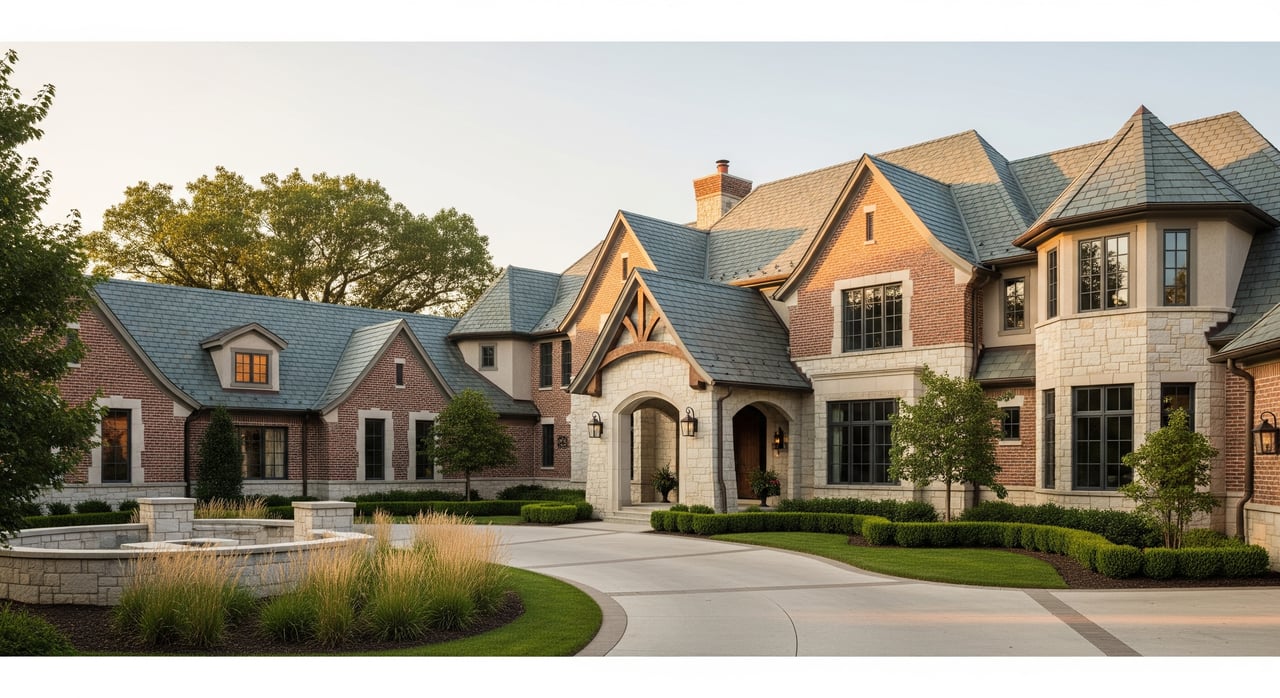
Planning a renovation or eyeing a home in a Leawood neighborhood with an HOA? You want your project to go smoothly, look beautiful, and comply with the rules. Understanding how HOA architectural reviews work, and how they interact with city permits, helps you avoid delays and surprises. This guide explains the process, the typical timelines, what to request during due diligence, and practical tips to keep your plans moving. Let’s dive in.
HOA vs. ARB in Leawood
An HOA is a private, member-run organization created by your community’s governing documents. It manages common areas, collects assessments, and enforces covenants that maintain community standards.
An Architectural Review Board, often called an ARB or architectural committee, is a group established by those same documents to review exterior changes to homes. The ARB’s job is to ensure projects align with the community’s design rules and appearance standards.
The ARB’s authority comes from your community’s declaration and related rules, not from the city. That means HOA design rules apply in addition to city requirements. You usually need to satisfy both sets of rules when you change your home’s exterior.
How HOA review fits with city permits
In Leawood, architectural review and city permitting are parallel approvals. ARB approval does not replace a City of Leawood permit, and a city permit does not satisfy the HOA. Many projects need both.
It is smart to confirm ARB requirements early. Some homeowners seek ARB approval first to avoid redesigns. Others obtain conditional ARB approval that is subject to final city permits. Choose the order that best fits your project and your community’s meeting calendar.
When planning in Leawood, verify zoning setbacks, building permits, mechanical and electrical permits where relevant, tree and landscape rules, drainage and stormwater requirements, floodplain rules, and any overlay districts that control design. If an HOA rule conflicts with municipal law, the city’s code controls legal and safety matters. The HOA can still regulate appearance and compatibility, so coordination is important.
What typically needs ARB approval
Many exterior changes in Leawood neighborhoods trigger ARB review. Common examples include:
- Roof replacements or changes in roofing material or color
- Exterior paint or finish color changes
- Additions, dormers, sunrooms, and second-story expansions
- Decks, patios, and screened porches
- Fences and walls, including height, materials, placement, and transparency
- Outbuildings such as sheds or gazebos
- Driveway expansions and other changes to impervious surfaces
- Major landscaping, retaining walls, and grading that alters drainage
- Pools, hot tubs, and related decking or fencing
- HVAC equipment, generators, and exterior mechanicals, plus screening
- Solar panels and satellite dishes, subject to aesthetic guidelines and any state-law limits
- Exterior signage, seasonal displays, and visible storage of boats, RVs, or trailers
If you plan one of these projects, budget time for ARB review and for any required city permits.
What your application should include
HOAs commonly require a complete package so the ARB can make an informed decision. Expect to provide:
- A completed ARB application form from your HOA or management company
- A site or plot plan showing the project and its relation to property lines and easements
- Elevation drawings or photos that illustrate the design and placement
- Material samples, color chips, and manufacturer specifications
- Construction details for structural work
- Neighbor notifications or acknowledgments if required by your documents
- An application fee, which varies by community
Typical initial review periods range from a couple of weeks to about 30 days, depending on the HOA’s rules and meeting schedule. Minor items can be faster. Outcomes include approval, approval with conditions, denial, or a request for more information. You should receive a written decision.
To keep things moving:
- Submit a complete, professional-looking package with current photos and contractor contact details.
- Be ready with material and color boards and alternate options.
- Coordinate ARB review with contractor drawings and any city permit applications.
- If your plan changes drainage or impervious area, include notes on grading and stormwater.
Enforcement, fees, and what happens if you skip approval
HOAs typically start with a written violation notice and a cure period. If the issue is not corrected, the HOA may impose fines as authorized by the community’s rules. Some HOAs can temporarily suspend amenity access.
For unpaid assessments, HOAs often have lien rights and can pursue collection steps under their governing documents and applicable law. Communities can also levy special assessments when reserves are insufficient, so it is wise to review the budget and reserves during due diligence.
HOAs must follow their procedures for notices and hearings. Many communities provide internal appeals and may include mediation or arbitration options. For questions about legal limits or homeowner rights in Kansas, consult a local real property attorney.
Buyer due diligence checklist
Before you close on a Leawood home with an HOA, request these items:
- Declaration and CC&Rs, bylaws, and articles of incorporation
- Current rules and regulations, architectural guidelines, and the ARB application form
- The current operating budget, recent financial statements, and any reserve study if available
- Meeting minutes from the last 12 to 24 months
- HOA insurance summary and a contact for claims questions
- An estoppel or resale certificate showing assessment status, pending assessments, fines, and any violations
- Notices of pending or threatened litigation
- Management company contact information and payment instructions
- Recent ARB approval or denial trends to understand how strict the process is
Use these documents to confirm whether your planned improvements are likely to be approved and whether the HOA is financially sound.
Seller prep checklist in Leawood
If you are selling in an HOA community, a little preparation can streamline your closing:
- Order any required resale package early to avoid delays
- Disclose outstanding violations or pending assessments upfront
- Confirm who will pay prorated dues and any balances at closing
- Gather approvals and permits for past projects to show the home is in good standing
- Keep contact details for the HOA or manager handy for buyer questions
Tips to speed approvals
You can reduce friction and get to yes faster with a few proactive steps:
- Schedule a pre-application chat with the ARB or the management company
- Submit a clear, complete packet with scaled drawings, photos, and material specifications
- Give neighbors a heads-up where helpful and be ready to address sightlines, privacy, and drainage
- If denied, request the written reasons, refine your plan, and consider resubmitting or using the internal appeal procedure
When to ask for help
If your project is complex or touches setbacks, stormwater, or special districts, contact the City of Leawood’s Community Development or Planning department for current code and permit requirements. For design-rule interpretation or to align your application with your community’s standards, reach out to your HOA manager or board.
For legal questions about Kansas-specific limits, liens, fines, or solar rights, speak with a Kansas real property attorney. Your title company can advise on estoppel or resale certificates and how they affect closing timelines.
If you want a clear, streamlined path from offer to closing, or guidance on how future improvements may fit community standards, connect with the neighborhood-savvy team at Bash KC. We help you understand the rules, anticipate timelines, and make confident decisions that protect your plans and your resale value.
FAQs
Do you need both HOA approval and a Leawood city permit?
- In most cases yes; HOA approval covers design and community standards, while city permits address safety, zoning, and code compliance.
How long does HOA architectural review take in Leawood?
- Timelines vary by community, but many reviews take 2 to 6 weeks, with minor items sometimes faster and major additions taking longer.
Can an HOA prevent solar panels in a Leawood neighborhood?
- HOAs often regulate panel placement and appearance through design rules; state law may limit outright prohibitions, so confirm your CC&Rs and check permitting requirements.
What happens if you renovate without HOA approval?
- The HOA may require removal or changes, impose fines, or take legal action; follow the notice, hearing, and appeal steps in your governing documents.
Will an HOA violation delay a Leawood home closing?
- It can; violations or unpaid assessments often appear on resale or estoppel certificates and may need to be resolved before closing.