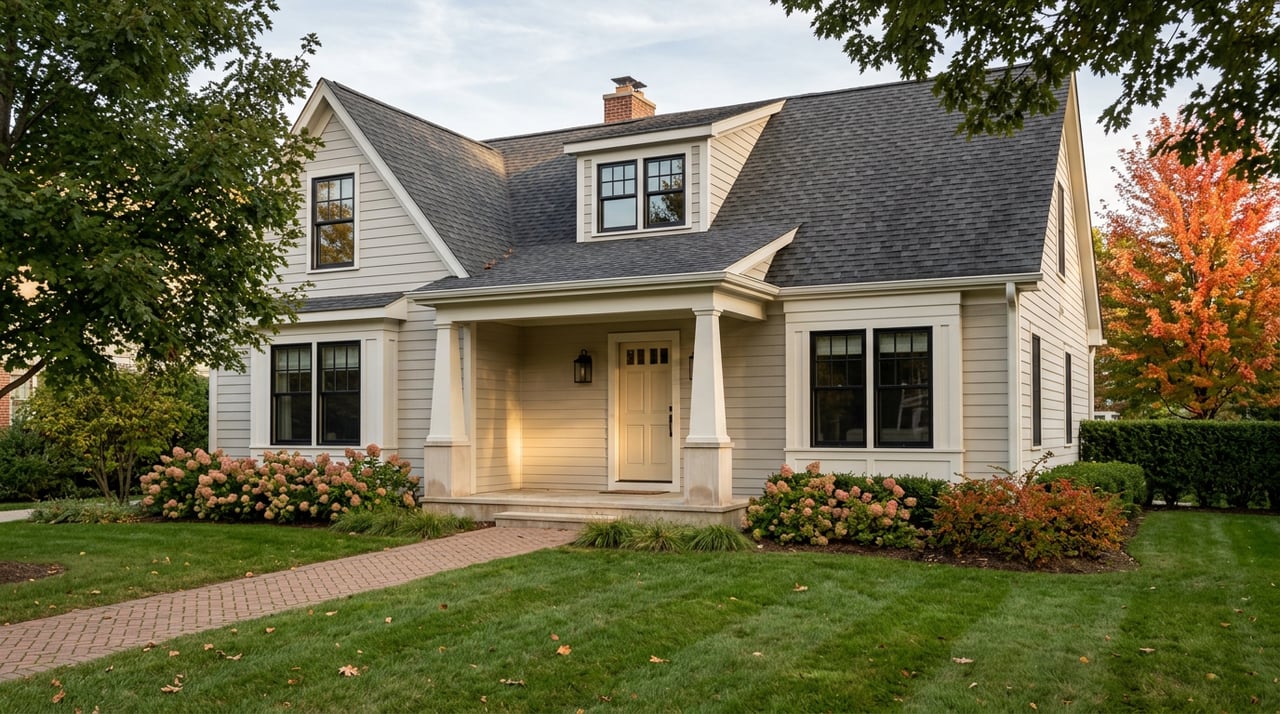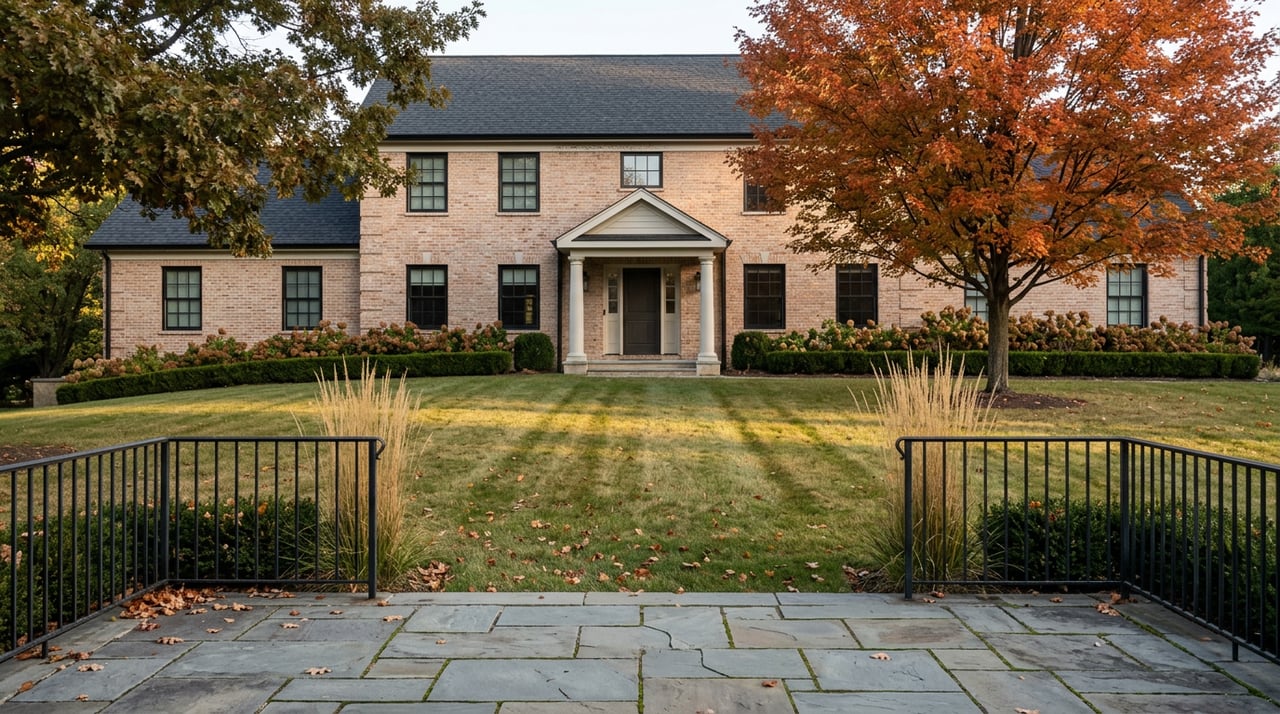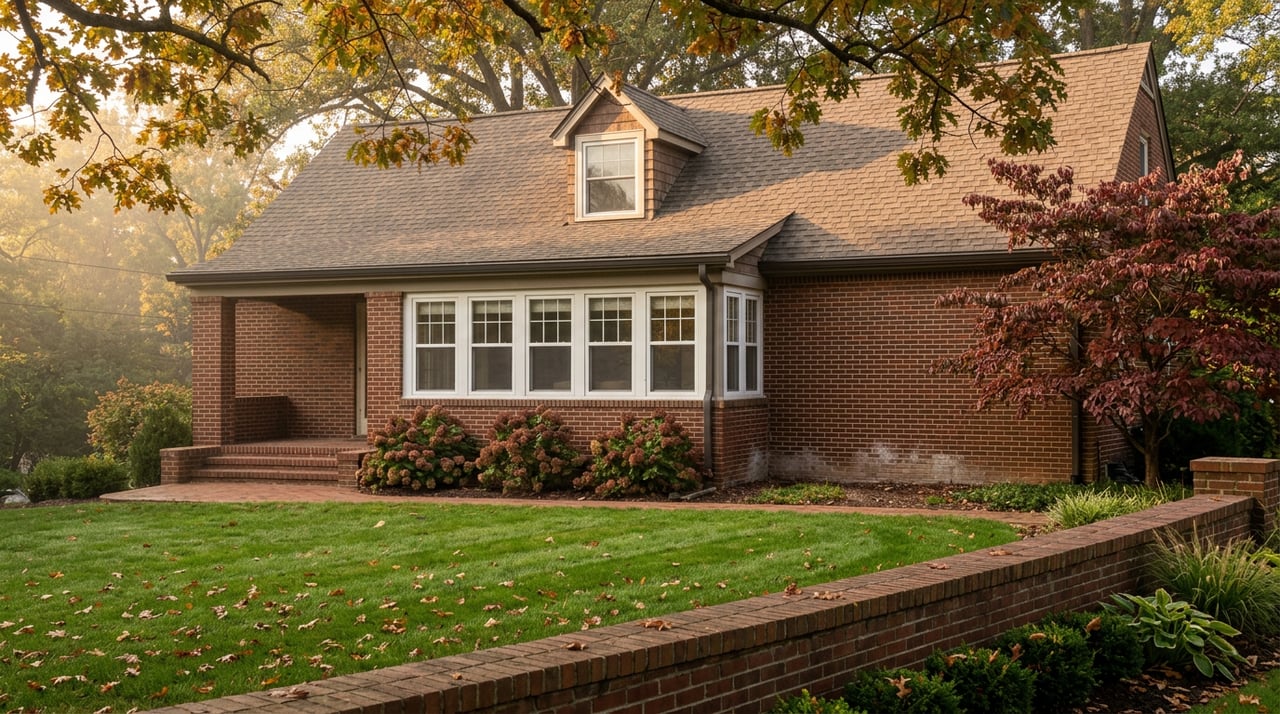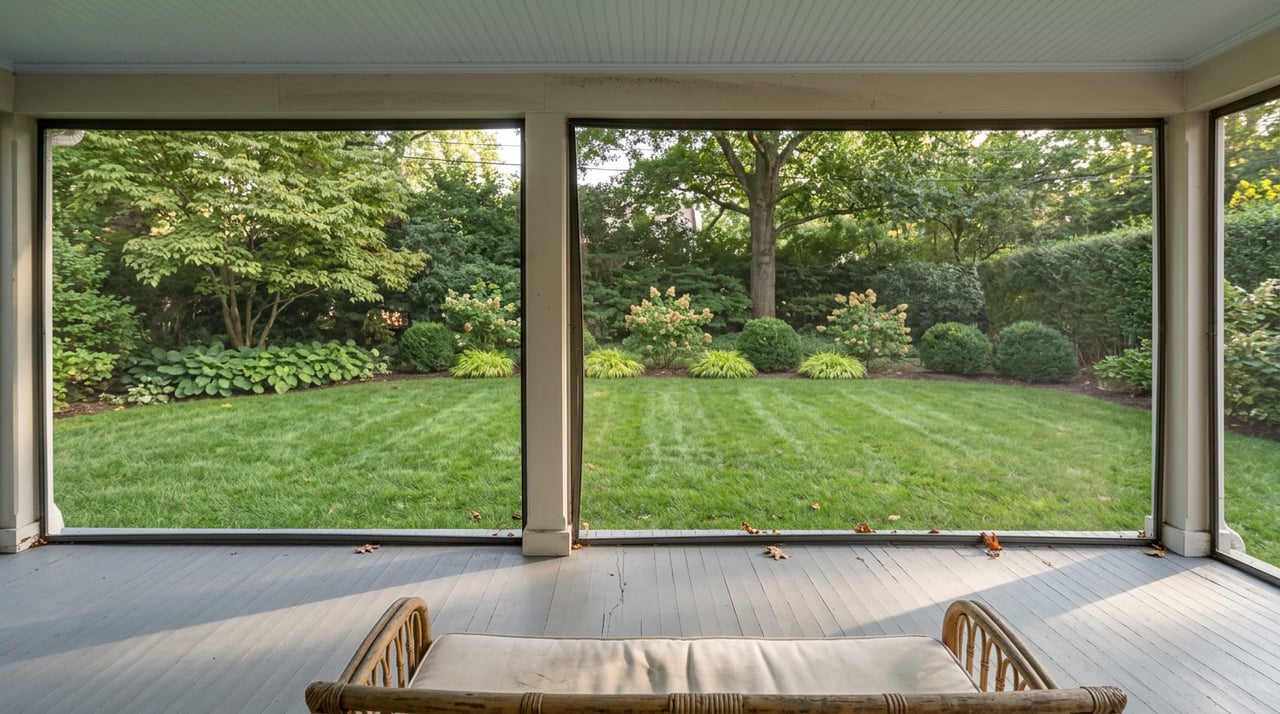
If you look at Mission Hills as one single market, you can miss what really drives value. A home just a few blocks away may sit on a very different lot, back to different open space, or fall into a different pattern of architecture and pricing. If you are buying or selling here, understanding those smaller pockets can help you price more accurately, search more strategically, and make better decisions. Let’s dive in.
Why Mission Hills Works Like Micro-Markets
Mission Hills is a small, mature community in northeast Johnson County that was envisioned in 1912 by J.C. Nichols. The city describes itself as a garden community, with three golf courses, public parks and parklets, and a landscape shaped by residential streets, private club land, and open space.
That physical layout matters because Mission Hills is not built like a simple, uniform subdivision. Club edges, park nodes, Brush Creek corridors, and large variations in lot size create different settings from one street to the next. In a market like this, the feel and placement of a home can carry as much weight as the home itself.
The city’s 2026 comprehensive-plan materials say residential parcels range from 16,000 to 87,120 square feet. That is a wide spread for a small city, and it helps explain why one part of Mission Hills can behave differently from another in terms of buyer demand, price expectations, and renovation potential.
Design Rules Shape Value
Mission Hills also has an Architectural Review Board and design-guideline system meant to preserve historic design patterns, lot layouts, greenspace, and the massing and architecture of homes. That does not create a formal pricing formula, but it does influence how homes evolve over time.
In practice, this means buyers and sellers often pay close attention to more than bedroom count. Lot size, how the home sits on the site, whether the architecture is original or updated, and whether the property borders parks or club land can all affect how the market responds.
For sellers, that means pricing should reflect the specific setting of your property, not just a citywide average. For buyers, it means a broad Mission Hills search can hide meaningful differences in value from one street to the next.
The Main Micro-Markets Within Mission Hills
These are working market groupings, not formal city neighborhoods. They are useful because they reflect how homes tend to cluster by setting, lot pattern, and character.
Historic Core and Estate Spine
This cluster includes streets such as Overhill, Mission Drive, High Drive, Stratford, Verona, Oakwood, and Drury. These streets are often associated with older landmark homes, mature landscaping, and some of the deepest estate lots in the city.
Public-record examples show the range and stature of this area. A property like 5630 High Drive is a 1920 Italian Renaissance landmark on 1.5 acres, while 1901 Stratford Road closed at $2.999 million on an estate-sized lot. Even within this top-tier pocket, home style, updates, and exact siting still matter.
For many buyers, this part of Mission Hills represents the classic estate setting people associate with the city. For sellers, it often requires a pricing strategy that accounts for architectural significance and lot depth, not just square footage.
Club-Edge and Larger-Lot Custom Pocket
This grouping includes Belinder, Indian Lane, Wenonga, Tomahawk, and parts of 67th Street. Here, you often see a mix of older homes and newer custom construction, with wide variation in lot size and price.
The public record shows how broad that spread can be. On Belinder alone, examples range from a 1939 home that sold for $1.798 million to a 2015 custom home listed at $3.95 million. Nearby properties can differ sharply based on age, construction quality, and lot position.
This is one of the clearest examples of why the Mission Hills median price only tells part of the story. A buyer looking in this pocket needs to compare homes by street section, lot orientation, and build type. A seller needs marketing and pricing that explain where the home fits within that range.
State Line Transition Band
This band includes State Line, east High Drive, Overbrook, Sagamore, Willow, and Rainbow. Homes here often include older Tudors, Victorians, renovated properties, and corner-lot homes with a broader entry-price range than some other parts of the city.
Examples include 5530 State Line Road, an 1890 Victorian farmhouse on 0.65 acres, and 6024 State Line Road, a 1932 Tudor with a major renovation and addition. Recent sales and property histories suggest this area can offer more pricing variety while still being firmly within Mission Hills.
For buyers, this pocket can open the door to more architectural variety and a wider set of price points. For sellers, it is important to position the home clearly against the right comparable properties, especially when the street includes both original and substantially updated homes.
Smaller-Lot Interior Pockets
This grouping includes parts of 65th through 67th, 67th Terrace, Sagamore, Overbrook, and 70th. These areas are still Mission Hills, but they generally show lower entry points and more compact lots than the estate streets.
The citywide sold data cited in the research report includes examples such as 6513 Sagamore Road at $799,950, 2711 W 67th Terrace at $799,000, and 1900 W 70th Street at $900,000. Other nearby sales on 65th and 67th still push into the low-to-mid $1 million range, depending on lot size and home characteristics.
This is a good reminder that Mission Hills includes more than one price band. Buyers who focus only on the most prominent estate streets may miss opportunities, while sellers in these interior pockets should avoid being compared too loosely to homes on much larger lots.
Why the Median Price Is Only a Starting Point
As of May 2026, Redfin described Mission Hills as a very competitive market with a median sale price of $1.376 million and a median of 1 day on market. That is useful context, but it does not tell the whole story.
The same citywide data also shows recent sales ranging from about $799,000 to $2.999 million. In other words, the middle number is helpful, but it cannot capture how dramatically values can shift across streets, lot sizes, and home types.
One of the strongest examples comes from the Belinder and Verona area. Public-record estimates for nearby properties ranged from about $1.162 million to $3.399 million, all within the same broader pocket. That kind of spread is exactly why micro-market analysis matters in Mission Hills.
What Actually Moves Pricing Here
When you break Mission Hills into smaller pockets, a few recurring factors stand out. These do not work as fixed rules, but they often help explain why prices diverge, even within a few blocks.
Lot Size and Site Placement
The difference between a lot closer to 0.33 to 0.42 acres and one above 0.5 or 1 acre can be significant. In a community where parcel sizes vary widely, buyers often respond strongly to depth, width, privacy, and how the home sits on the land.
Street Context
A home in the historic core can be viewed differently from one on a transition street. Proximity to club land, park edges, and open-space corridors can shape both the feel of the property and the buyer pool.
Architecture and Updates
Mission Hills includes original historic homes, heavily renovated properties, and newer custom construction. Buyers often compare these categories differently, which is why a renovated Tudor, an untouched older home, and a newer build on similar land may not compete head-to-head.
How to Evaluate a Mission Hills Home More Accurately
If you are buying or selling in Mission Hills, citywide stats should be your starting point, not your final answer. A more useful approach is to compare homes within the right pocket and then narrow further by lot profile, architecture, and recent update history.
The Johnson County property-data portal is the right place to verify parcel-level details such as lot size, legal description, and assessed data. That county record can then be used alongside MLS and public-record listing history to compare the same street over time.
A practical framework is to ask three questions:
- Is the home in the historic core or on a transition street?
- Is the lot closer to 0.33 to 0.42 acres, or is it above 0.5 or 1 acre?
- Is the house original, substantially renovated, or newer custom construction?
Those questions often reveal more than bedroom count alone. In Mission Hills, the market tends to reward context and character just as much as size.
Why This Matters for Buyers and Sellers
If you are buying, micro-market knowledge can help you avoid overpaying for a home that looks comparable on paper but sits in a different pricing pocket. It can also help you spot value in areas that do not always get the same attention as the most visible estate streets.
If you are selling, this approach helps prevent underpricing or overpricing based on overly broad comps. The strongest strategy usually comes from positioning your home against the right nearby properties and telling a clear story about what makes your street, lot, and architecture distinct.
That is especially important in a place like Mission Hills, where nearby homes can vary so much in lot size, design, and market position. Precision matters here.
If you want help understanding where your property fits within Mission Hills or how a specific street is behaving right now, Bash KC can help you interpret the details with a thoughtful, high-touch approach.
FAQs
What does “micro-market” mean in Mission Hills real estate?
- In Mission Hills, a micro-market is a smaller pocket of homes that behaves differently from the citywide average because of factors like lot size, street setting, architecture, and proximity to clubs or parks.
Why are Mission Hills home prices so different within a few blocks?
- Prices can vary widely because Mission Hills has a broad range of parcel sizes, different street contexts, and a mix of original historic homes, renovated properties, and newer custom builds.
What is the median home price in Mission Hills?
- As of May 2026, the reported median sale price in Mission Hills was $1.376 million, but recent sales in the research report ranged from about $799,000 to $2.999 million.
Which streets are part of the historic core in Mission Hills?
- Working examples of the historic core and estate spine include Overhill, Mission Drive, High Drive, Stratford, Verona, Oakwood, and Drury.
How can you verify lot size for a Mission Hills property?
- You can verify lot size and other parcel details through the Johnson County property-data portal, which allows address and parcel-based lookups.
Are Mission Hills micro-markets official neighborhoods?
- No. The clusters in this article are working market groupings used to explain pricing and character patterns, not formal city-designated neighborhoods.